
If you indulge in a glass of alcoholic wine now and then, there is no cause for alarm. Over 80% of adults have admitted to drinking alcohol at some point. However, while enjoying a drink from time to time may not necessarily be harmful to the body, heavy or excessive drinking can have a massive impact on the brain. This is what happens to your brain when you use alcohol excessively.
What Is Alcohol Use Disorder?
As mentioned, heavy alcohol intake poses significant risks to the brain, which usually characterizes people with alcohol use disorder (AUD). AUD refers to a chronic brain relapsing disorder that impairs a person’s ability to control their alcohol intake, even in the face of adverse health, social, and occupational consequences. Alcohol use disorder can range from moderate to severe.
What Happens To Your Brain When You Drink Alcohol?
Interrupts Nour Neurotransmitters
Regular alcohol intake can lead to a disruption of your body’s neurotransmitters, making it difficult to process your emotions and thoughts. It can also cause disinhibiting effects, impairing the body’s coordination, memory consolidation, and executive functioning. That explains why your body wobbles and stumbles when you consume too much alcohol, as your brain’s neurotransmitters begin to go haywire.
Your Dopamine Levels Spike
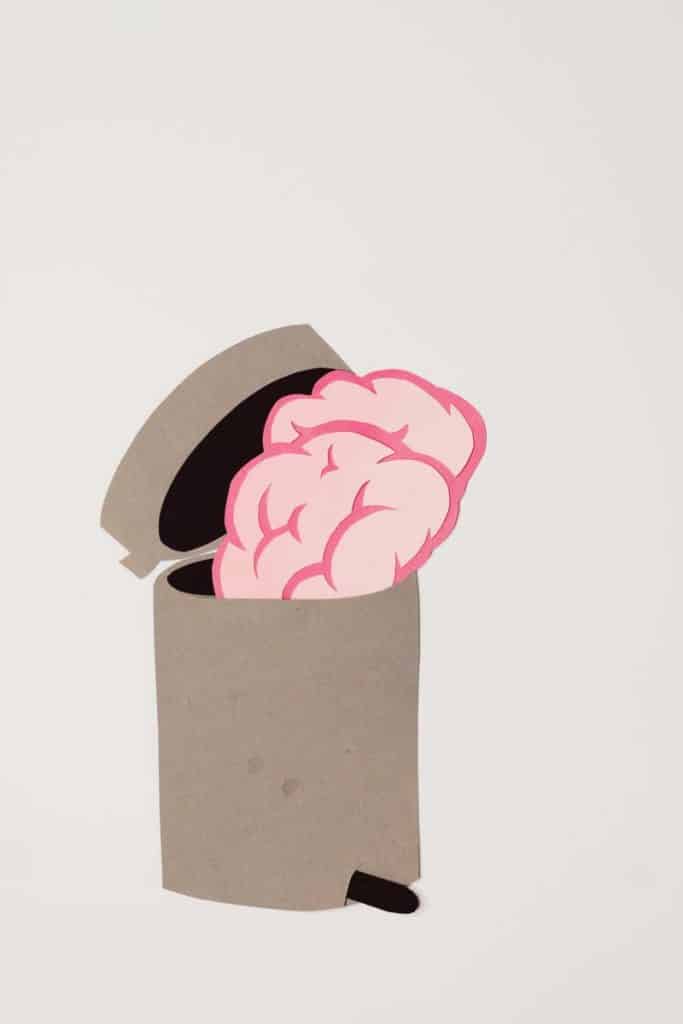
Alcohol also leads to the release of endorphins, which are the body’s natural opioids. But it also leads to the release of dopamine, which is the neurotransmitter responsible for creating that pleasurable feeling that reinforces the effects of alcohol. The more you consume alcohol, the more dopamine and endorphins maladaptive neurological changes that enhance addiction.
It Affects Your Brain’s Gamma-Aminobutyric Acid (GABA) Receptors
Alcohol can do a number on your brain’s receptors called GABA receptors, responsible for inducing sleep, leading to poor sleep quality. Furthermore, because alcohol can also cause dehydration, it puts the body through a period where it feels the effects of withdrawal at night. This can make it quite challenging to get a restful sleep.
Disrupts Your Hippocampus
Most people who engage in heavy drinking experience alcohol blackouts. For example, when you spend a previous night binge drinking a large amount of alcohol in one sitting, you’re likely to wake the following day with little to no recollection of anything that happened the previous night. That is an alcohol blackout.
Large alcohol consumption interferes with the brain’s ability to form new long-term memories, including your ability to keep new information for a short time actively. Memory loss results from a disruption in your hippocampus – a part of the brain responsible for forming new autobiographical memories after receiving info from various parts of the brain.
Alcohol Can Kill Your Brain Cells
Drinking alcohol moderately or minimally may not have any severe effect on your brain cells. But if you binge drink frequently or suffer from alcohol use disorder, there is every reason to feel concerned about your brain cells. The severity of the damage will depend on your age, gender, and how much alcohol you consume. Chronic drinkers or alcohol abusers may also be at risk of neurodegeneration and brain damage due to the loss of brain cells.
You Can Develop Thiamine Deficiency And Malnutrition
Consuming alcohol occasionally shouldn’t put you at any risk of vitamin deficiency or malnourishment. However, when you consume large alcohol quantities regularly, you can develop thiamine deficiency.
Since alcohol contains no vitamin or essential nutrients, heavy drinking can also lead to malnutrition, and this can cause a condition known as Wernicke’s Encephalopathy (WE). We is a form of dementia caused by the consumption of alcohol that is mostly irreversible. As thiamine deficiency causes a chemical imbalance in the brain, this also usually results in WE.
Alcohol Dependency Can Lead To Brain Shrinkage
Alcohol has a profound effect on the brain’s complex structures and the damage it leaves behind manifests in various mental or health issues. Also, people with alcohol dependency often end up experiencing brain shrinkage, which results from a reduced volume of both cell pathways (white matter) and cell bodies (gray matter) over an extended period of alcohol abuse.
That’s not all; the older you get, the more brain matter you tend to lose, based on how much alcohol you continue to consume.
Despite the damaging effects of alcohol consumption on the brain, recovery is possible. Your brain can heal when you start treatment on time. And with professional help, you can begin your road to abstinence and reverse the physical damage of heavy drinking.