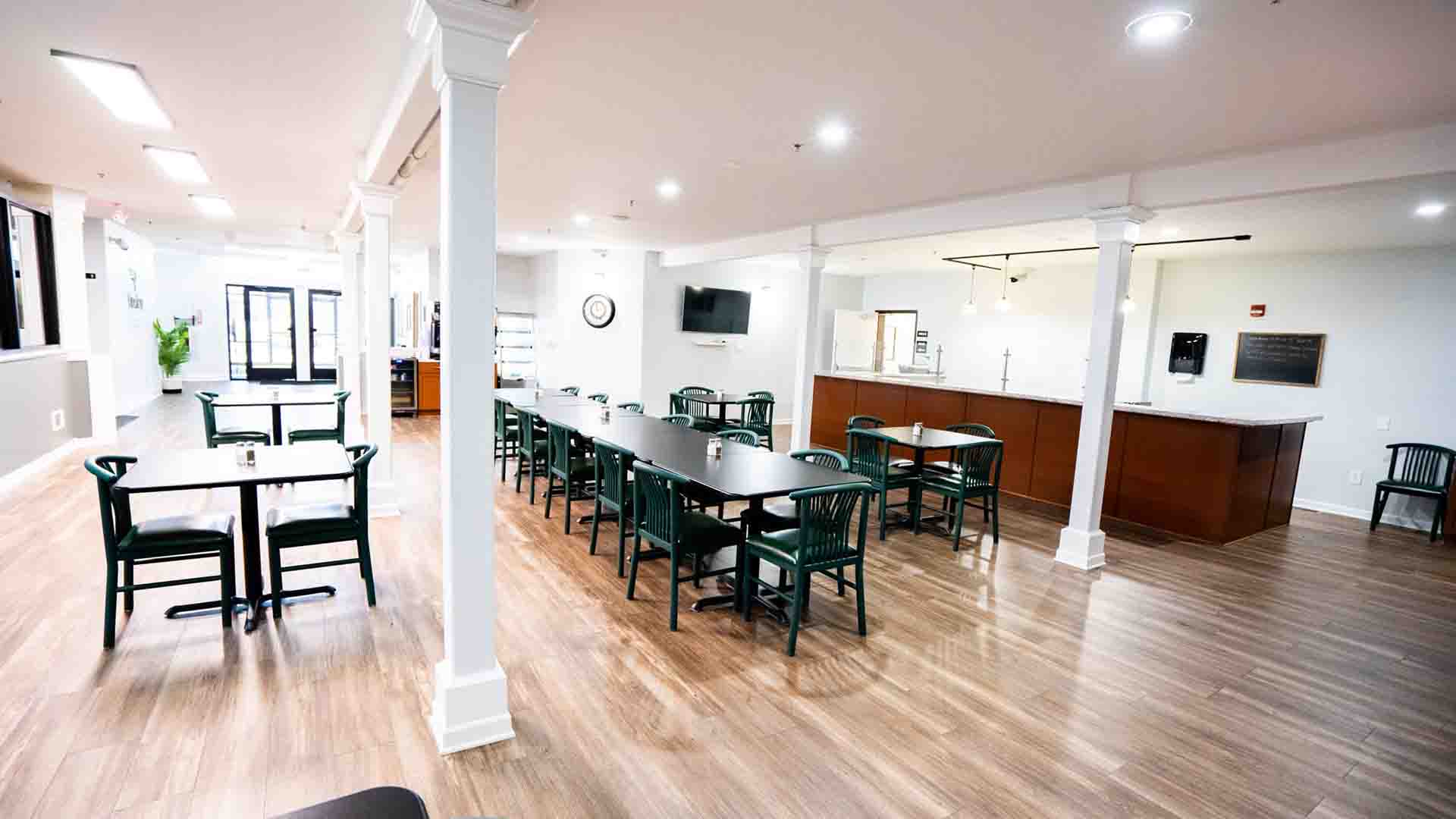
Finding affordable, safe housing is a fundamental need for recovering addicts who are transitioning away from treatment programs and towards a life of sobriety. The challenge, however, lies in locating an environment that offers the support necessary to sustain recovery behavior over the long-term.
There are numerous supportive housing options available – such as sober living residences and subsidized government housing – that provide this much-needed stabilization during this time of transition. This blog post dives into how these two types of supportive systems work together to aid those in greatest need in achieving their highest level of health and functioning.
Definition of supportive housing and its purpose after addiction rehab
Supportive housing is an umbrella term for a variety of approaches to providing safe, affordable housing for people in recovery. It includes a range of services that are tailored to the particular needs of the individual and can include everything from ongoing counseling and life-skills training to connections with job-training programs and food banks.
The purpose of supportive housing after addiction rehab is to provide individuals with a safe, secure environment in which they can practice the skills and behaviors learned during treatment. When combined with ongoing counseling services, supportive housing after addiction rehab ensures that an individual’s recovery journey has the best chance of success.
Benefits of supportive housing for aftercare and sober living programs
Supportive housing provides a safe and stable living environment for those who have completed an addiction treatment program and need ongoing support to maintain their sobriety. These programs offer the necessary resources such as therapy, job training, and healthcare to help individuals lead successful, sober lives.
They also provide a sense of community and accountability, as residents live with others who are on a similar path toward healing. By offering a safe place to call home, supportive housing can make a significant difference in the success of aftercare and sober living programs.
Challenges associated with securing supportive housing
Securing supportive housing for aftercare and sober living programs can pose significant challenges. One of the main issues that arise is the shortage of affordable housing options that accept residents in recovery. Additionally, some recovery homes may not have the adequate resources or funding to provide stable, long-term housing for their clients.
Even if suitable housing is found, there may be zoning and legal restrictions that prevent the facility from operating in certain areas. It is essential to address these challenges to ensure that individuals in recovery have access to safe and supportive housing options that promote long-term success.
Types of supportive housing available
When seeking aftercare and sober living programs, there are a variety of types of supportive housing available to choose from. Some may opt for sober living homes, which provide a safe environment for individuals to live while they continue on their journey of sobriety.
Others may prefer halfway houses, which offer a higher level of support and structure, providing everything from counseling and therapy to job training and life-skills education. Additionally, there are recovery community organizations, which offer a sense of community and support through group meetings and events.
Whatever the choice may be, it’s important to find the right type of supportive housing that matches the individual’s needs and goals for continued sobriety.
Best practices for finding the right supportive housing
The first step in the process is to identify what kind of support the individual requires, whether it be assistance with daily living tasks, medical needs, or mental health support. It’s important to do thorough research and look at various options to determine which ones align with the individual’s needs.
This can include visiting potential facilities and speaking with staff members to gain a better understanding of the services offered. Additionally, seeking out referrals or recommendations from healthcare professionals, social workers, and community organizations can be incredibly helpful in finding the right fit.
Contact Findlay Recovery Center Today
Supporting housing options for aftercare and sober living programs is an integral part of any successful long-term recovery journey. Finding a secure and safe environment where individuals can relearn life skills while developing coping mechanisms to manage and recover from mental health issues is essential.
If you, or someone you know, are in need of supportive housing solutions after completing an addiction treatment program, contact Findlay Recovery Center today to get more information on what local services may be available. Don’t let fear or doubt stand in the way of recovery; take the courage today to start on the path towards wellness.