Residential treatment can make a world of difference. When you are struggling with a substance use disorder, the world can feel incredibly small and isolating. It often feels like no one understands what you are going through, or worse, that you are burdened by a shame that must be hidden. This sense of isolation is one of the biggest obstacles to healing. Recovery is not meant to be a solo journey; it is a path best walked with others who understand the terrain. This is why the environment where you choose to heal matters so much. A high-quality residential drug rehab prioritizes daily growth and a sense of belonging, transforming the recovery experience from a clinical necessity into a life-changing opportunity for connection and self-discovery.
Entering treatment is about more than just detoxing or stopping substance use; it is about rebuilding a life. It is about waking up each day with a purpose and going to sleep knowing you are part of a community that cares about your well-being. If you or a loved one is feeling lost, understanding how a supportive residential environment fosters both personal evolution and deep connection can be the first step toward a brighter future.
Why is Connection Vital for Recovery?
Addiction is often described as a disease of isolation. Over time, substance use can damage relationships with family and friends, leaving an individual feeling cut off from their support systems. You might feel like you are on the outside looking in, convinced that you are different or that something is wrong with you.
Breaking this cycle requires a fundamental shift in your environment. Healing happens in relationships. When you are surrounded by compassionate professionals and peers who are walking a similar path, the shame begins to dissolve. You realize that your struggles are not unique failures of character but shared human experiences. This shared understanding forms the bedrock of trust, allowing you to open up and do the deep emotional work required for lasting change.
The Power of “Me Too”
There is a profound relief in hearing someone else share a story that mirrors your own. In a residential setting, you are surrounded by people who “get it.” You do not have to explain why you felt a certain way or why you made certain choices; the understanding is implicit. That sense of being truly seen and heard is incredibly powerful. The simple realization that you are not alone can break down the walls that addiction has built, paving the way for genuine connection and healing.
How Residential Drug Rehab Prioritizes Daily Growth and a Sense of Belonging
The most effective treatment programs recognize that sobriety is a byproduct of a healthy, balanced life. To achieve this, a residential drug rehab prioritizes daily growth and a sense of belonging by structuring the environment to support continuous improvement and community integration. This approach ensures that you are not just “doing time” in rehab but actively engaging in a process of becoming the person you want to be.
How is Daily Growth Encouraged?
Recovery is not a single event; it is a series of small, consistent steps taken every single day. In a residential program, this daily growth is nurtured through:
- A Structured Routine: Chaos often accompanies addiction. Residential care provides a predictable, safe schedule that helps regulate your nervous system and rebuild a sense of safety. Knowing what to expect each day allows you to focus on your internal work.
- Building New Skills: Every day offers an opportunity to learn something new. This might be a coping mechanism for stress, a communication skill for better relationships, or a practical life skill like nutrition or time management.
- Learning Emotional Regulation: You learn to sit with uncomfortable feelings without needing to numb them. Therapists guide you through processing emotions like anger, sadness, or anxiety, turning daily challenges into opportunities for emotional strengthening.
- Celebrating Small Wins: In active addiction, it is easy to focus on failures. In treatment, the focus shifts to successes. Did you share honestly in a group session? Did you manage a trigger effectively? These daily victories build self-esteem and momentum for your recovery.
How is a Sense of Belonging Cultivated?
Feeling like you belong is a fundamental human need. When you feel safe and accepted, your brain is better able to learn and heal. Residential programs foster belonging through:
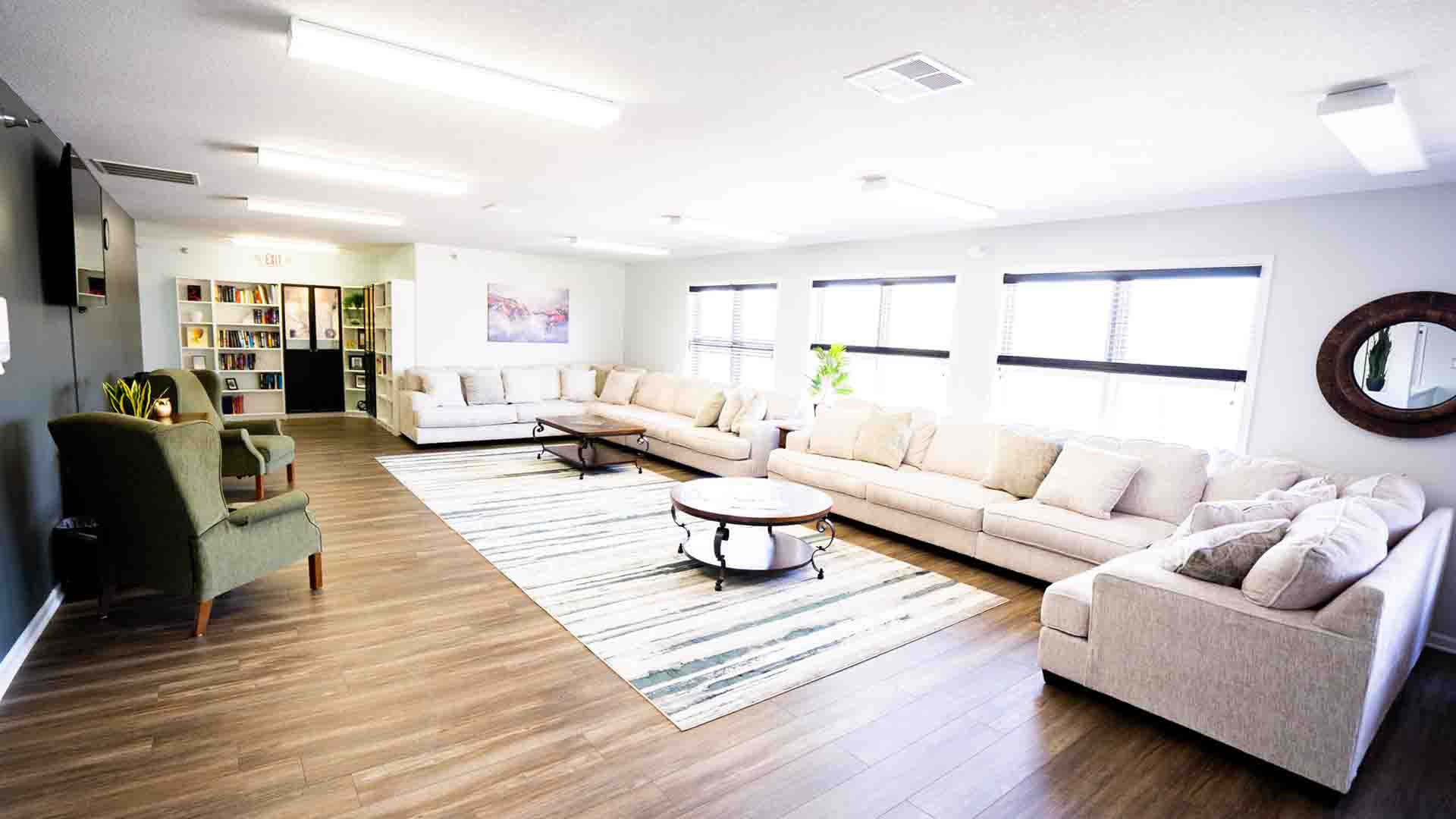
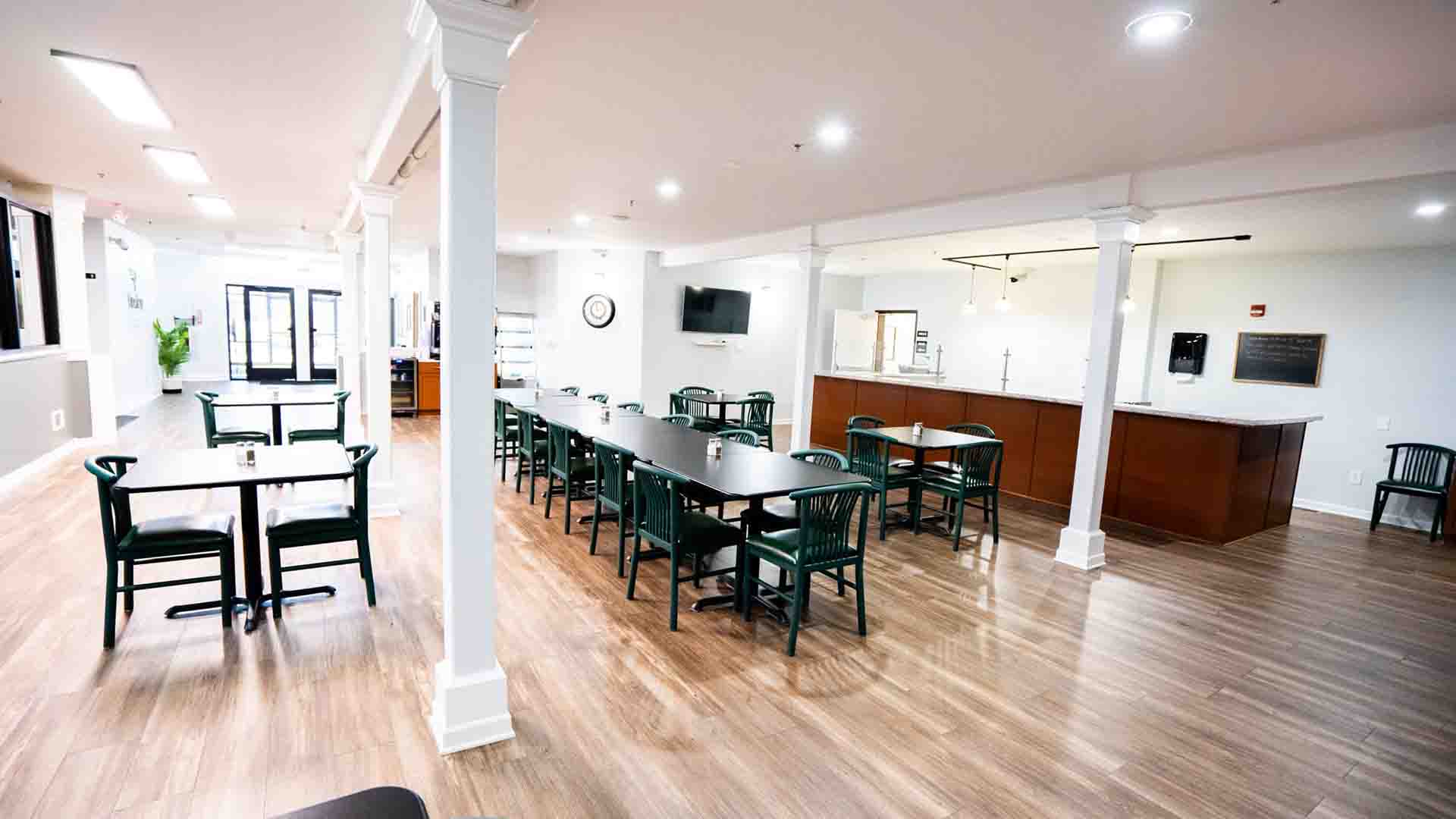
- Community Activities: Beyond therapy, there are times for shared meals, recreational activities, and relaxation. These moments of “normalcy” allow you to bond with peers as people, not just as patients.
- Group Therapy: This is the heart of the community experience. Guided by a therapist, the group becomes a safe space where you can practice vulnerability, offer and receive support, and see yourself through the eyes of others who care.
- A Non-Judgmental Culture: The staff and clinicians model compassion and respect. The entire culture is one of acceptance, where you are treated with dignity regardless of your past. This allows you to let your guard down and be your authentic self.
What Does a Typical Day of Growth Look Like?
You might be wondering how exactly a residential drug rehab prioritizes daily growth and a sense of belonging in a practical, day-to-day sense. While every program is unique, the structure is designed to balance therapeutic work with community building.
Mornings often start with a period of reflection or a mindfulness practice, setting a positive intention for the day ahead. This is usually followed by a healthy breakfast shared with peers. The core of the day involves various forms of therapy, such as individual counseling to dig into your personal history and group sessions to build interpersonal skills.
Afternoons might include educational workshops where you learn about the science of addiction or participate in holistic therapies like art therapy, yoga, or fitness. These activities help you reconnect with your body and find new, healthy ways to express yourself. Evenings are typically for winding down, reflecting on the day’s progress, and connecting informally with others in the residence. Every part of the day is designed to move you forward while keeping you connected to the supportive community around you.
Why is Removing Distractions Important?
To truly focus on this daily growth, it is often necessary to step away from the noise and triggers of everyday life. Work stress, challenging family dynamics, and social situations can all impede early recovery. Residential care provides a protective, supportive bubble. This does not mean you are hiding from the world; it means you are taking a strategic pause to strengthen yourself. By removing external distractions, you can turn your attention inward and discover who you are without substances. You have the time and space to build a solid foundation of resilience so that when you do return to your daily life, you are strong enough to navigate its challenges with confidence.
Frequently Asked Questions About Residential Treatment
If you are considering this important step for yourself or a loved one, you likely have many questions. Here are clear answers to some of the most common concerns we hear.
1. Will I be completely cut off from my family?
No. While there may be an initial period of limited contact to help you settle in, family involvement is usually an encouraged and vital part of the healing process. Many programs offer family therapy sessions to help heal relationships and educate loved ones on how to best support your recovery. The goal is to build a healthy support system, not to isolate you from it.
2. Is residential rehab like a hospital?
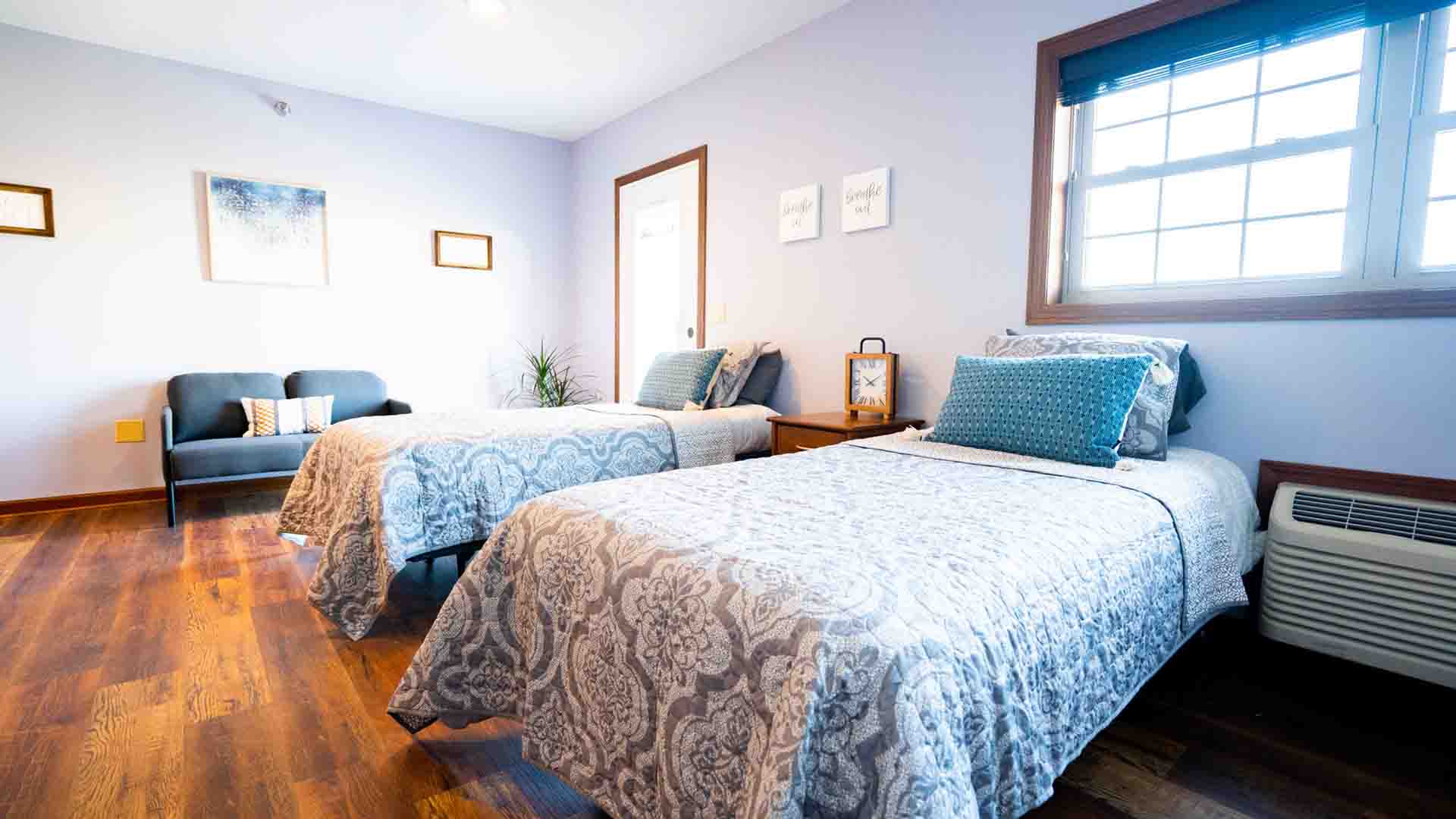
While some facilities have medical units for detoxification, the residential living area is typically designed to feel like a comfortable and welcoming home. The atmosphere is warm and supportive, with communal living spaces, cozy bedrooms, and outdoor areas for relaxation. It is designed to be a place of healing and rest, not a cold, clinical institution.
3. How long does the program last?
The length of stay varies depending on individual needs. Some programs last for 30 days, while others may extend to 60 or 90 days. Research suggests that longer stays often lead to better long-term outcomes because they allow more time for the brain to heal and for new, healthy habits to become ingrained. Your treatment team will work with you to determine the right timeline for your journey.
Hope and Healing Are Waiting for You
Making the decision to enter residential treatment is an act of profound courage. It is a declaration that you believe your life can be better, and it is a step toward making that belief a reality. It is normal to feel nervous or uncertain, but remember that you are not walking into a punishment; you are walking into a safe haven designed for your healing.
You deserve a life where you feel understood, supported, and capable of handling whatever comes your way. You deserve to be in a place where your evolution is celebrated every single day. Because an effective residential drug rehab prioritizes daily growth and a sense of belonging, you will leave with more than just sobriety—you will leave with a new community and a renewed sense of self.
If you are ready to stop feeling alone and start building the life you were meant to live, Findlay Recovery Center is here to welcome you. Reach out to us today. We are ready to listen, we are ready to help, and most importantly, we are ready to help you find your place to belong.