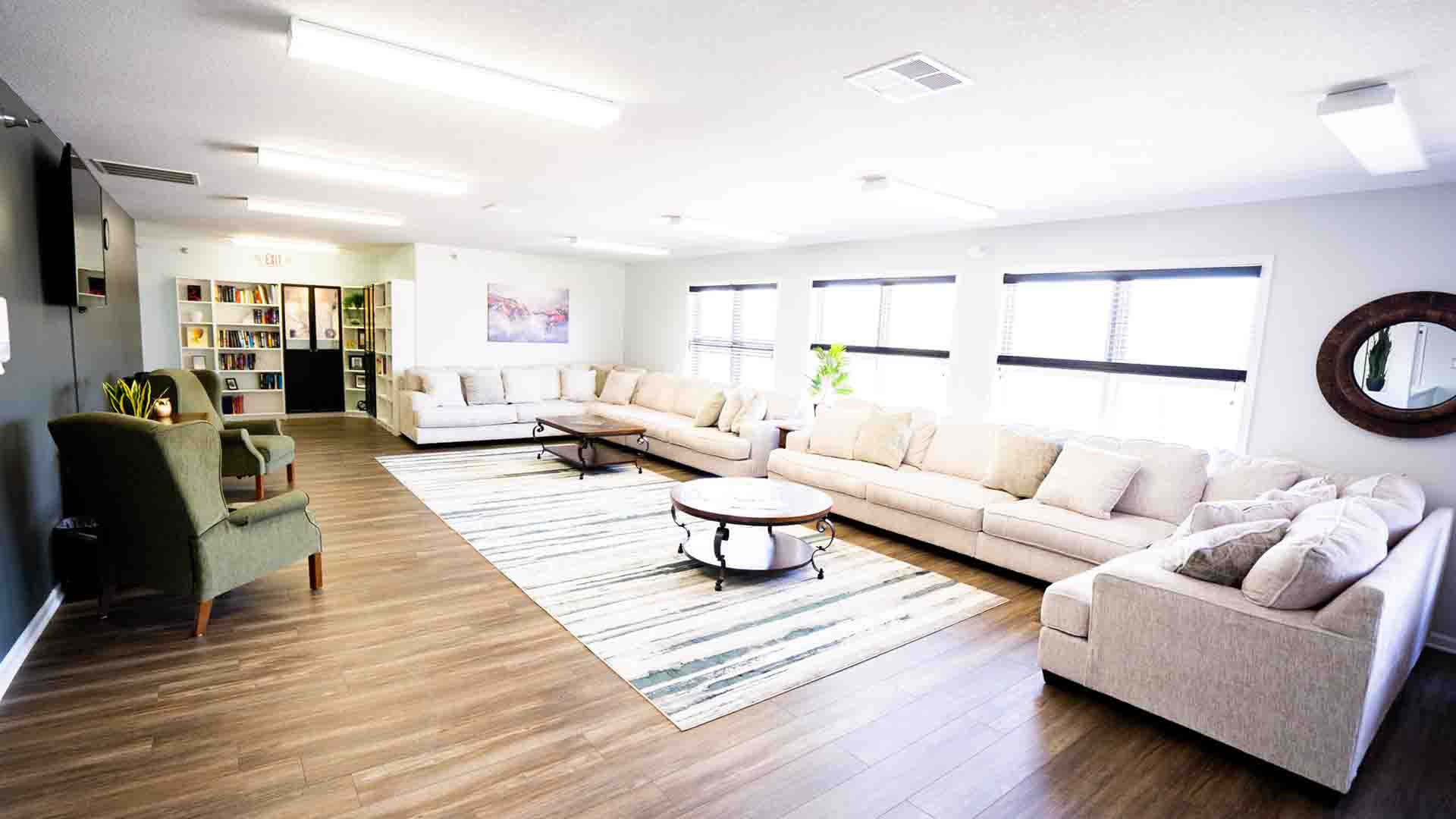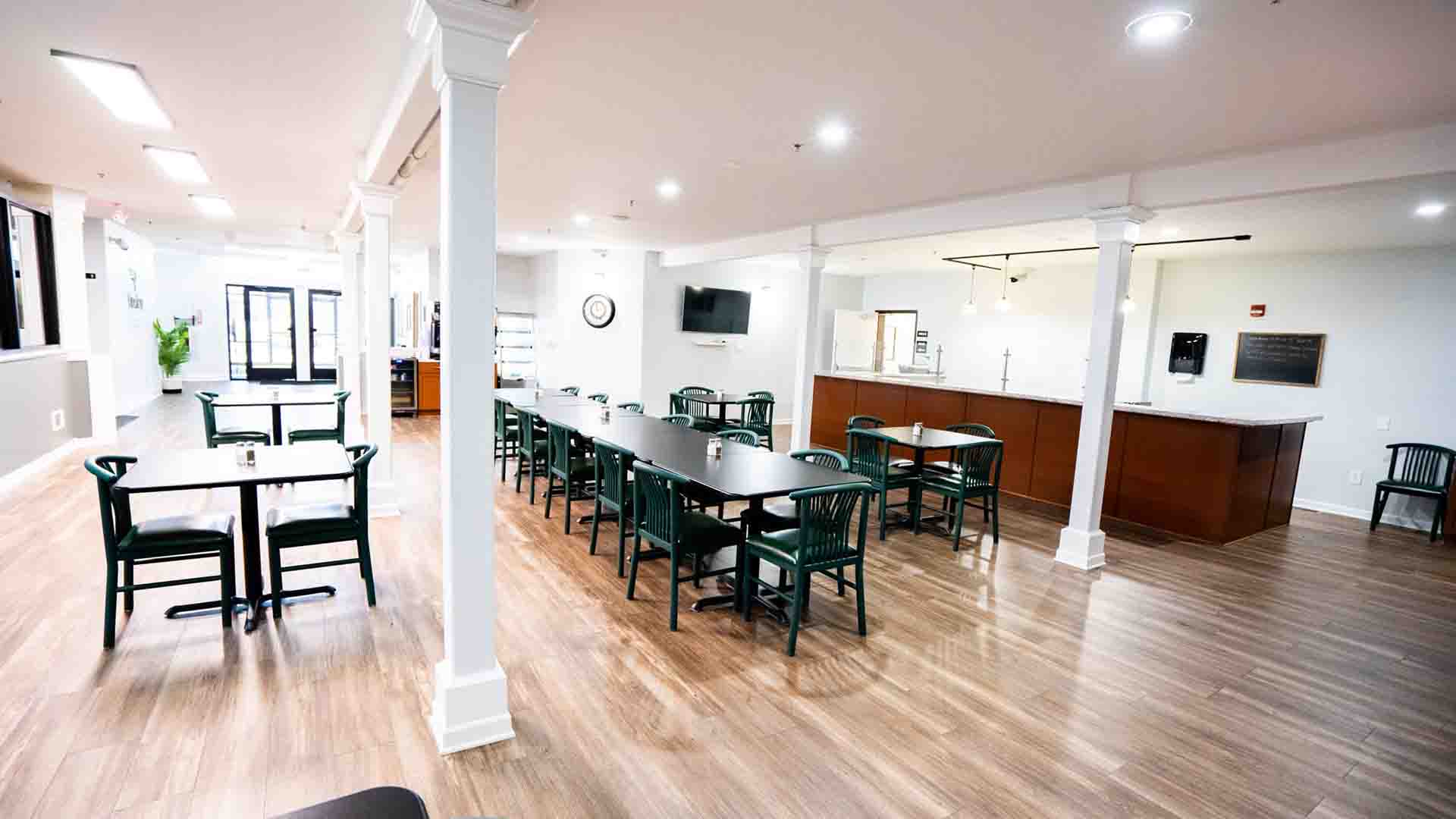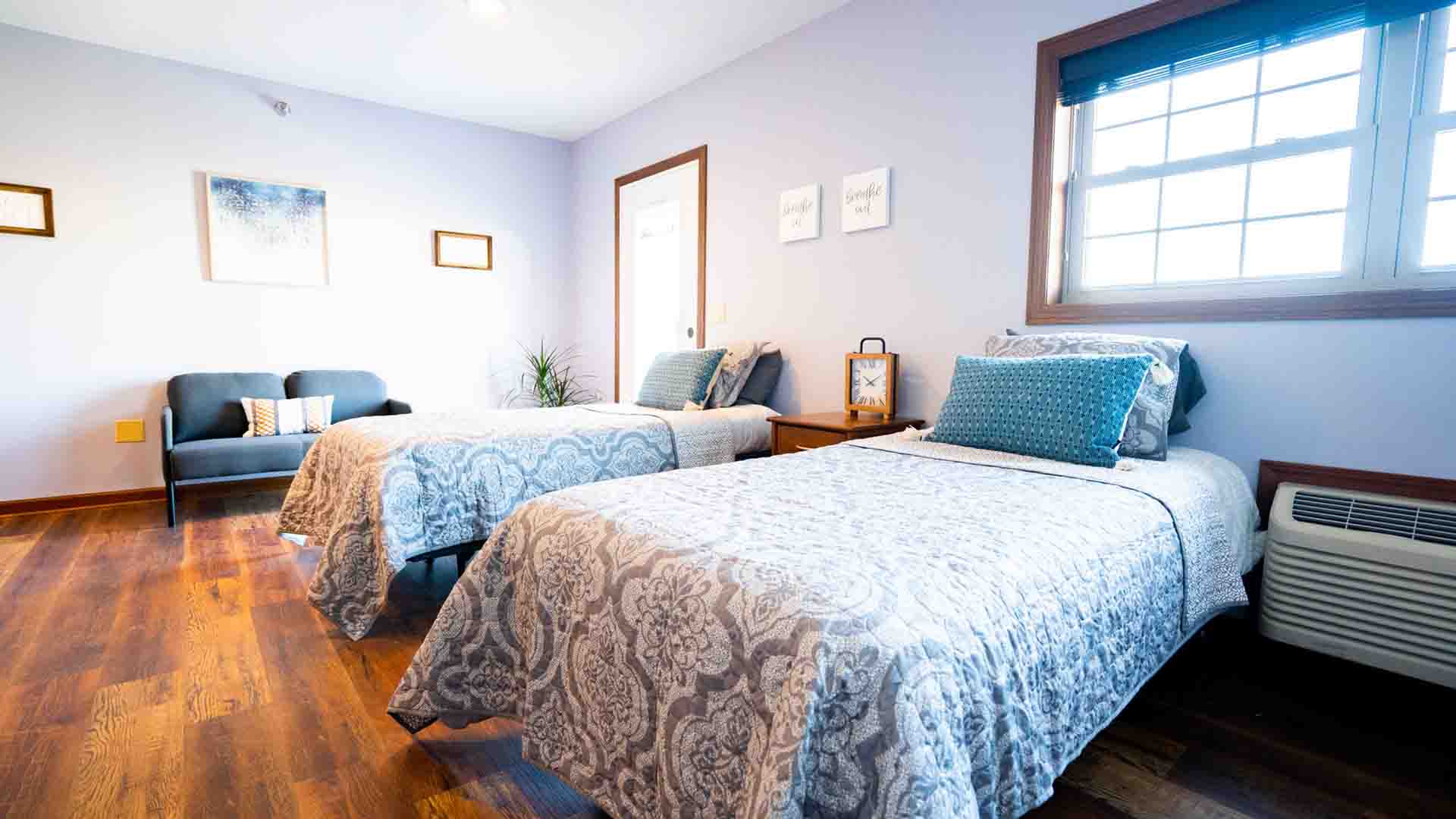
Experiencing a relapse after completing a short residential drug rehab program can feel incredibly defeating and exhausting for you and your family. You might feel entirely hopeless, wondering if true recovery is even possible after putting in so much hard work. Please know that needing more time to heal is never a sign of personal failure. Healing a deeply rooted drug or alcohol addiction is a complex journey that simply cannot be rushed. Recovery is not a linear path, and many individuals find that the standard, brief treatment model does not provide the depth and duration of support necessary to address the underlying causes of their substance use. It is a sign of strength and self awareness to recognize that a more extended period of care is needed to build a durable foundation for a sober life.
The Limits of Short Term Residential Treatment
A brief thirty day stay is often an excellent starting point for clearing alcohol or drugs from your physical body. This initial phase, known as detoxification, is critical for managing withdrawal symptoms safely under medical supervision. However, true addiction recovery requires deeply changing how your brain responds to daily stress and old emotional wounds. Thirty days is rarely enough time to safely unpack years of hidden trauma or severe daily anxiety. Short term programs can offer a valuable introduction to the tools of recovery, such as cognitive behavioral therapy, group support, and relapse prevention strategies. But they often only scratch the surface.
The brain’s neurocircuitry, which has been altered by prolonged substance use, requires a significant amount of time to recalibrate. Habits, thought patterns, and emotional responses that have been ingrained over months or even years cannot be fundamentally rewired in just a few weeks. When people leave a treatment center too soon, they often face intense daily triggers without strong emotional defenses in place. These triggers can be environmental, like returning to a neighborhood where they used to use drugs, or emotional, like experiencing a stressful event at work or in a relationship. This sudden shock to the nervous system is why so many beautiful, capable people quickly return to substance use. They have not had sufficient time to practice and internalize the coping mechanisms they learned in treatment, making them vulnerable when confronted with the realities of their old life.
A dedicated Residential treatment center that offers extended timelines gives you the exact space needed to build lasting coping skills. This extended duration allows for a more comprehensive and individualized approach to healing, addressing not just the symptoms of addiction but its root causes.
The Benefits of Long Term Residential Treatment
Extended care programs remove the intense, heavy pressure of trying to fix everything in just a few short weeks. You are given the precious gift of time to gently explore your mental health without feeling constantly rushed. This allows for a deeper therapeutic alliance to form between you and your counselors. Therapists can work with you at a pace that feels entirely safe and completely comfortable for your unique personal needs. In a long-term residential setting, there is ample opportunity to engage in various therapeutic modalities. This might include trauma-focused therapies like Eye Movement Desensitization and Reprocessing (EMDR), which require more time to be effective, or holistic therapies like yoga, meditation, and art therapy, which help heal the mind, body, and spirit.
Staying in a secure residential environment longer also helps you practice new healthy habits before returning to your normal daily life. You learn how to navigate difficult emotions while surrounded by a deeply compassionate and supportive medical team. This controlled residential environment acts as a training ground where you can test out new behaviors and coping strategies in a low-stakes setting. For example, you can practice conflict resolution skills in group therapy or develop a consistent daily routine that includes exercise and mindfulness. This careful, unhurried approach builds the rock-solid confidence required for a joyful and lasting drug or alcohol recovery. By the time you are ready to transition out of the residential program, these new, healthy habits have become second nature, making it easier to maintain them in the outside world. Furthermore, long-term residential treatment provides the opportunity to address co-occurring mental health disorders, such as depression, anxiety, or PTSD, which are very common among individuals with substance use disorders. Properly diagnosing and treating these conditions is essential for preventing relapse, as untreated mental health issues can often trigger a return to substance use.
A Day in Long Term Residential Care
What does life look like during a residential extended stay? While each center has its unique schedule, a typical day is structured to promote healing and personal growth. Mornings often begin with a healthy breakfast and a mindfulness or meditation session to start the day with a clear and focused mind. This is usually followed by individual therapy, where you can work one on one with a counselor to delve into personal issues, and group therapy sessions, which provide a sense of community and shared experience.
Afternoons might be dedicated to specialized workshops or educational sessions focusing on topics like understanding the science of addiction, developing healthy communication skills, or creating a relapse prevention plan. There is also time for holistic activities such as fitness, art therapy, or equine therapy, which help to heal the whole person. Evenings are often a time for reflection, journaling, or participating in 12-step meetings or other peer support groups. This structured yet varied daily routine in a residential setting prevents boredom and ensures that every moment is an opportunity for growth. It helps to replace the chaotic and unpredictable lifestyle of active addiction with the predictable and supportive rhythm of a residential program, which is crucial for long-term stability. This comprehensive approach is a hallmark of effective residential treatment.
How long does an extended care program usually last?
While short programs typically last thirty days, extended stays often run for sixty to ninety days. Some programs may even offer longer options, such as six months or a year, for individuals who need a more intensive level of support. Your dedicated care team will conduct a thorough assessment of your physical health, mental health, and history of substance use to help you determine the exact timeline that best supports your complete physical and mental wellness. This decision is always made collaboratively, ensuring that you are an active participant in your recovery plan.
Will I get bored staying in a facility for that long?
Not at all. A longer stay allows you to engage in deeper therapy, exciting group activities, and highly effective life skills training. You will have more time to build meaningful connections with peers and staff, creating a strong support network that can last a lifetime. Every single day is carefully structured to keep your mind active and your body slowly healing. The variety of therapeutic and recreational activities ensures that you are constantly learning, growing, and discovering new, healthy passions to replace your old habits.
Does needing more time mean my addiction is worse than others’?
Absolutely not. Everyone heals at a completely different pace based on their unique physical biology and personal history. Factors like the type of substance used, the duration of use, the presence of co-occurring disorders, and an individual’s personal trauma history all play a role in determining the right length of treatment. Taking extra time simply means you are highly committed to building a beautiful future that actually lasts. It is a sign of wisdom and courage to give yourself the time and space you truly need to heal.
How will a long term program help me prepare for life after treatment?
This is one of the greatest benefits of extended care. These programs place a strong emphasis on aftercare planning and transitional support. As you near the end of your stay, your treatment team will work with you to create a detailed aftercare plan. This may include setting up appointments with therapists and psychiatrists in your community, connecting you with local support groups like AA or NA, and helping you find sober living arrangements if needed. You will also develop practical life skills, such as resume building, job searching, and financial management, to help you reintegrate into society successfully.
Can my family be involved in my treatment?
Yes, family involvement is a crucial component of long term recovery. Most extended care programs offer family therapy sessions and educational workshops for loved ones. This helps to heal damaged relationships, improve communication, and educate family members about the nature of addiction. A supportive family system is a powerful asset in maintaining long term sobriety.
Healing Through Residential Care at Findlay Recovery Center
Breaking free from a severe drug or alcohol addiction takes immense courage, and you deserve a care plan that truly supports your unique journey. Choosing a longer Residential program gives your mind and body the essential time they need to heal in perfect harmony. It is an investment in your future, providing you with the tools, confidence, and support network needed to not just get sober, but to build a life that is fulfilling and meaningful. There is always a hopeful path forward, and a bright, stable future is entirely within your reach. If you are ready to find true and lasting relief, please reach out to our compassionate team at Findlay Recovery Center today.