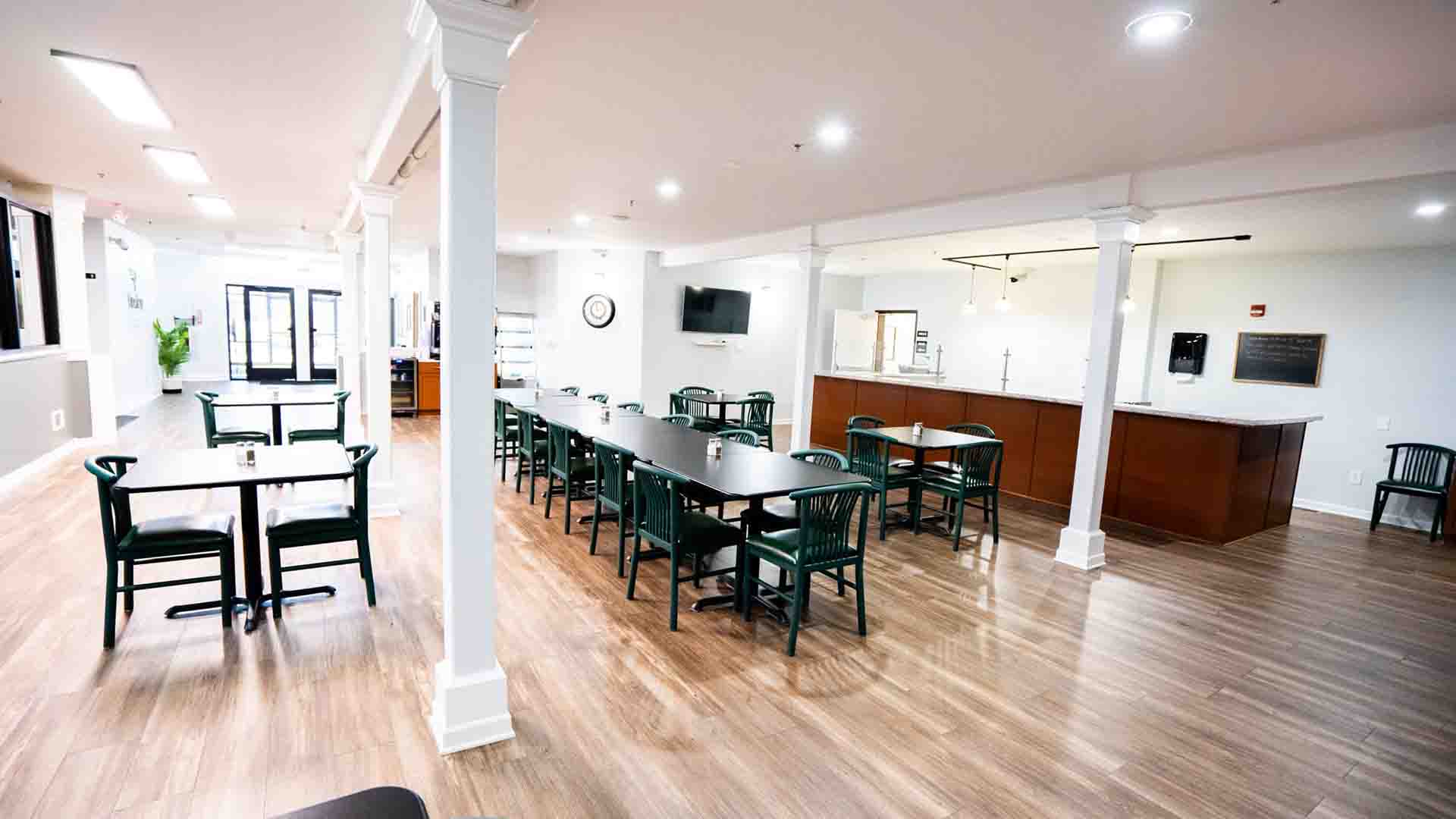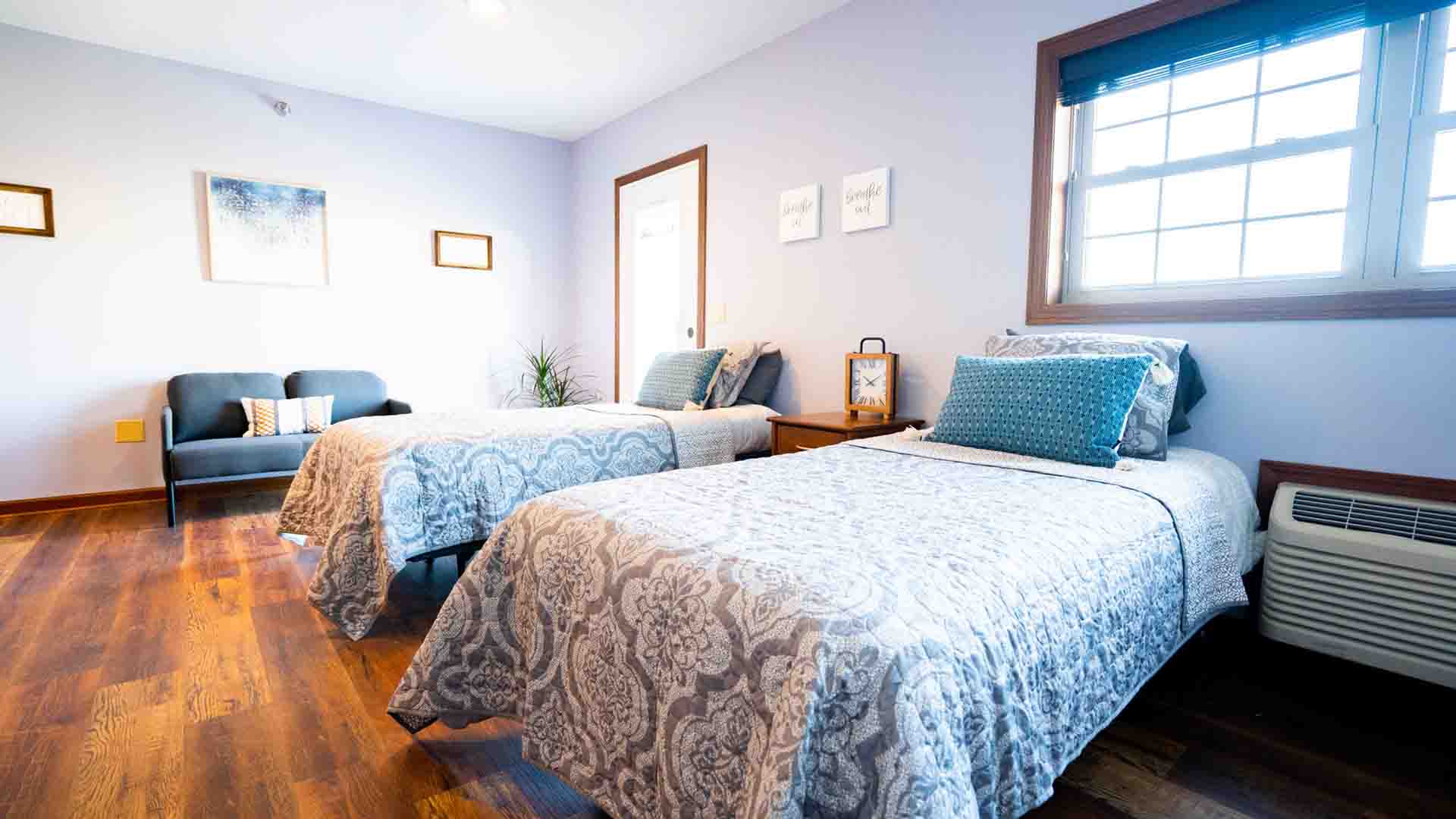
Residential drug treatment in Cleveland surrounds recovery with an environment built specifically to support it, and understanding that can ease some of the worry you may be carrying as you consider this step. If the idea of leaving home to focus on healing feels overwhelming, please know that reaction is completely understandable.
You may fear the unknown, worry about being away from loved ones, or wonder whether you can really change. Those feelings are natural, and they do not mean you are not ready.
Please know that choosing this kind of care is a courageous act, not a sign of weakness. The right environment can make healing feel possible in a way that daily life often cannot. When your surroundings are designed to protect and support you, the work of recovery becomes far more manageable. Understanding what this care involves can help you take the next step with more clarity and far less fear.
What Is Residential Drug Treatment in Cleveland?
Residential drug treatment in Cleveland is a level of care where you live on-site at a treatment facility while receiving therapy, medical support, and daily structure. It offers full-time, immersive care away from everyday triggers.
Instead of returning home each evening, you stay within a safe, supportive community. This lets you focus completely on your recovery without the pressures of outside life.
At Findlay® Recovery Center, this care blends evidence-based therapy with compassionate support. The goal is to treat you as a whole person, not just a set of symptoms.
What Does a Typical Day Look Like?
A typical day includes individual counseling, group therapy, and skill-building sessions woven into a steady, predictable routine. That structure brings a calming sense of order.
Mornings often begin with a grounding practice or check-in. The heart of the day focuses on therapy, where you explore challenges and build healthier coping tools.
Evenings offer time for rest, reflection, and connection with peers. This balance keeps each day productive without leaving you overwhelmed.
Why Does the Environment Matter So Much in Recovery?
The environment matters so much because your surroundings shape how safe, focused, and supported you feel during the most vulnerable stages of healing. A calm, protective space removes many of the obstacles that make recovery harder.
At home, old triggers, stressful relationships, and easy access to substances can pull you back into familiar patterns. These forces work quietly against your progress.
A residential setting changes that. It surrounds you with structure, safety, and encouragement, giving new habits the space they need to take root.
How Does Distance From Triggers Help?
Distance from triggers helps by giving your mind and body a break from the people, places, and stressors tied to substance use. That space creates room for genuine healing.
When you step away from daily temptations, your energy is no longer spent resisting them all day. You can direct that energy toward growth instead.
This pause is not about avoiding life forever. It is about building strength in a protected space before returning to the world with new tools.
How Does Community Support Strengthen Recovery?
Community support strengthens recovery by surrounding you with people who understand exactly what you are going through. Shared experience eases the loneliness that often comes with addiction.
In a residential setting, you connect with peers walking a similar path. Their encouragement reminds you that you are not alone.
These bonds often become a lasting source of strength. Many people leave with a support network that continues to lift them long after treatment ends.
Who Benefits Most From Residential Drug Treatment?
People who benefit most from residential drug treatment are those who need a stable, structured environment to focus fully on recovery. It meets you where daily life has become too difficult to manage alone.
This level of care often suits individuals whose home environment feels unsafe or filled with triggers. It also helps those who have tried outpatient care without lasting success.
Residential treatment can be especially meaningful for people facing more severe substance use or co-occurring mental health conditions. A caring team helps determine whether this level fits your needs.
Is It Right for Someone Who Has Relapsed Before?
Yes, residential treatment is often especially helpful for someone who has relapsed before, because it offers deeper support than daily life can provide. A fresh environment can open a door that once felt closed.
Relapse is not a failure. It is often a sign that more structure, time, and support were needed.
The immersive nature of residential care addresses the patterns behind relapse. This focused work gives many people a genuine chance to break the cycle.
What Can You Expect During Residential Treatment?
During residential treatment, you can expect a thorough assessment, a personalized plan, and steady support that adapts as your needs change. Your care begins with truly understanding your story.
Your team reviews your history, health, and goals to build a plan shaped around you. From there, each day blends therapy, structure, and connection.
Throughout your stay, professionals monitor your progress and adjust your care as needed. You are never expected to navigate this journey alone.
How Does It Connect to Detox and Outpatient Care?
Residential treatment connects to detox and outpatient care as one stage in a continuous path toward lasting recovery. Each level builds on the one before it.
For many people, care begins with a medical detox that safely clears substances from the body. This first step creates a stable foundation for the deeper work ahead.
After residential care, many step down into outpatient treatment that fits around daily life. This gradual transition helps carry your progress into the everyday world.
How Are Co-Occurring Conditions Treated?
Co-occurring conditions are treated by addressing substance use and mental health together within one connected plan. Healing one while ignoring the other rarely lasts.
Depression, anxiety, and trauma often travel alongside addiction. For many people, these conditions sit at the root of substance use.
At Findlay Recovery Center, dual diagnosis treatment addresses both together, and compassionate mental health treatment stays woven throughout. This whole-person approach helps make sure nothing gets overlooked.
How Do You Decide if Residential Treatment Is Right for You?
Deciding whether residential treatment is the right fit can feel overwhelming, so it helps to look at a few clear signals. Use the points below to reflect on where you stand.
- Consider residential treatment if your home environment is filled with triggers that make recovery feel fragile.
- Reach out if you have tried outpatient care before but struggled to maintain lasting progress.
- Take action if substance use has taken over your daily life and feels impossible to manage alone.
- Seek this level of care if a mental health condition, like depression or anxiety, is tangled up with your substance use.
- Explore this option if you need distance from daily stress to focus fully on healing.
- Get help immediately if you have any thoughts of harming yourself.
If several of these points feel familiar, that is a meaningful sign. Trusting your instincts about your own well-being matters.
Common Questions Before Starting Treatment
How long does residential drug treatment usually last?
The length varies from person to person based on individual needs and progress. Many stays range from a few weeks to a few months. Your care team works with you to find a timeline that supports lasting change rather than rushing your recovery.
Can I stay in touch with my family during treatment?
Yes, most programs encourage healthy family connection as part of the healing process. Communication policies vary, and many programs include family involvement and education. Staying connected to loved ones can be a meaningful source of support.
Will residential treatment address my mental health too?
Yes, quality programs treat mental health and substance use together. Conditions like depression, anxiety, and trauma often need care at the same time as addiction. Treating the whole person gives you a stronger foundation for lasting recovery.
What happens after I complete residential treatment?
After residential care, most people step down into outpatient support that fits around daily life. This keeps guidance in place while you rebuild your routines. Your team helps you plan a smooth, supported transition.
What if I feel nervous about leaving home?
Feeling nervous is completely normal, and it does not mean you are not ready. A compassionate team helps you settle in and feel safe from the very first day. Many people find that the supportive environment quickly begins to feel like a place of hope.
You Deserve a Space Built for Healing
Residential drug treatment in Cleveland surrounds recovery with an environment built specifically to support it, and recognizing that could be the moment your path forward finally feels possible. You do not have to keep fighting your recovery in surroundings that work against you.
Reaching out takes courage, and you have already shown that by learning more about your options. You deserve care that protects your dignity, meets you with compassion, and gives you the safe space real healing requires.
The compassionate team at Findlay Recovery Center is here to listen without judgment and to help you find a path forward. You do not have to navigate this alone. Please reach out today at Findlay Recovery Center to learn how we can support you on the road to healing.