Recovering from addiction demands a comprehensive, structured approach that gets to the root causes of substance use. While other treatment programs are available, residential addiction treatment is widely recognized as the gold standard for long-term recovery, offering an immersive, supportive environment designed to promote healing.
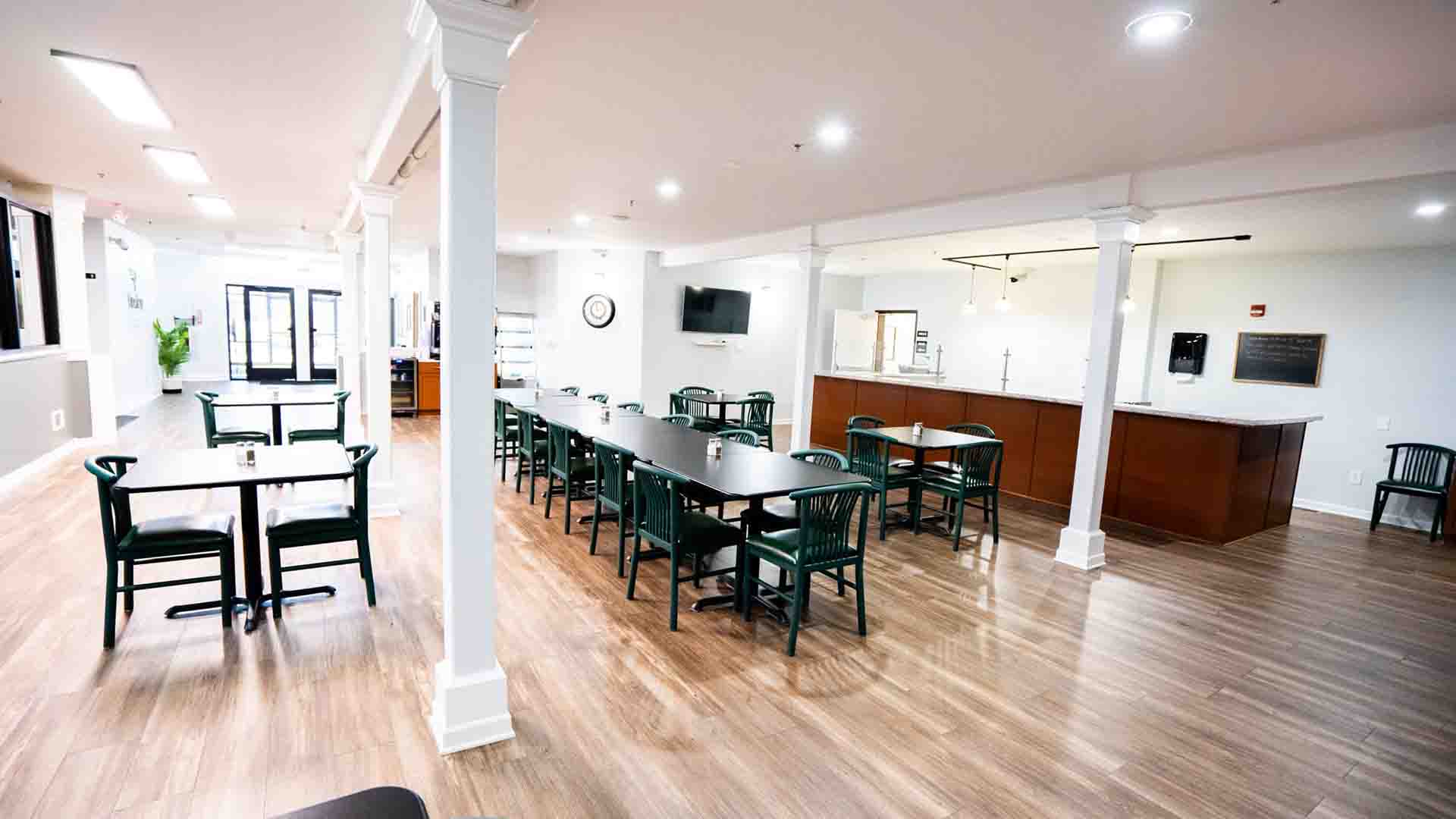
The residential treatment program at the Findlay Recovery Center in Ohio provides support to ensure that individuals not only overcome physical dependence but also develop the skills and mindset needed to maintain sobriety for life.
Here are the main reasons why residential treatment is considered the gold standard for long-term recovery:
- The immersive environment
One of the major advantages of residential treatment is its immersive nature. Since individuals live at the rehab facility, they have constant access to professional care, structured routines, and a supportive community. This gives them:
- 24/7 support
In a residential rehab setting, individuals receive round-the-clock medical and therapeutic care. This is especially crucial during the early stages of recovery when cravings, withdrawal symptoms, and emotional struggles are at their peak. With medical staff and counselors always available, individuals can receive immediate support, reducing the risk of relapse.
- A structured schedule
Recovery requires stability, and residential treatment provides a structured daily schedule that promotes healing. Days are filled with therapy sessions, educational workshops, healthy meals, physical activities, and downtime for reflection. This routine helps individuals rebuild discipline, develop healthy habits, and create a sense of purpose.
- Removal of triggers
One of the biggest challenges in overcoming addiction is avoiding triggers i.e. people, places, or situations that lead to substance use. In a residential addiction treatment center, individuals are removed from these negative influences, allowing them to focus entirely on recovery without distractions or temptations.
- Peer support
Recovery not only involves breaking free from substances but also rebuilding connections. Residential treatment fosters a sense of community by surrounding individuals with peers who understand their struggles. Group therapy, shared activities, and daily interactions help build strong bonds that provide encouragement and motivation throughout the recovery journey.
- A comprehensive therapeutic approach
In addition to stopping substance use, long-term recovery also involves addressing the emotional, psychological, and behavioral aspects of addiction. Residential treatment offers a range of therapies designed to treat the whole person including:
- Individual therapy
Each person’s recovery journey is unique, which is why residential treatment includes one-on-one counseling with licensed therapists. These sessions help individuals uncover the underlying causes of addiction, process trauma, and develop healthier coping mechanisms.
- Group therapy
Sharing experiences with others in recovery fosters a sense of belonging and reduces feelings of isolation. Group therapy provides a safe space for individuals to give and receive support, learn from others’ experiences, and practice communication and social skills.
- Behavioral therapies
Evidence-based therapies such as Cognitive Behavioral Therapy (CBT) and Dialectical Behavior Therapy (DBT) are key components of a residential treatment program. These approaches help individuals recognize and change negative thought patterns, build emotional resilience, and develop healthier ways to cope with stress.
- Mental health treatment
Many of those battling addiction also struggle with mental health disorders such as depression or anxiety. Residential treatment offers integrated care for co-occurring disorders, ensuring that both addiction and mental health challenges are addressed simultaneously.
- Holistic therapies
In addition to traditional therapies, many residential rehab centers in Ohio incorporate holistic practices such as yoga, meditation, art therapy, and exercise programs. These activities help individuals reconnect with themselves, reduce stress, and develop healthier ways to manage emotions.
- Focus on relapse prevention
Overcoming addiction means getting and staying sober. Residential treatment emphasizes relapse prevention by equipping individuals with the tools and strategies needed to navigate life without substance use. This includes:
- Personalized relapse prevention plans
Every individual undergoing treatment at Findlay Recovery Center receives a customized relapse prevention plan tailored to their triggers, lifestyle, and personal goals. This plan serves as a roadmap for maintaining sobriety after leaving residential treatment.
- Coping mechanisms for cravings and triggers
Through therapy and educational sessions, individuals learn how to manage cravings, handle stress, and develop healthier responses to triggers. Techniques such as mindfulness and stress management strategies are essential components of relapse prevention.
- Aftercare planning and support
Leaving a residential addiction treatment program doesn’t mean the journey is over. Effective programs provide aftercare services, including outpatient therapy, support groups, and sober living options to help individuals transition back into everyday life while maintaining sobriety.
Get a Clear Path to Recovery
Choosing residential treatment is not only about getting sober but also reclaiming your life. At the Findlay Recovery Center, we believe that everyone deserves a chance at lasting recovery. Our dedicated team provides expert care, personalized treatment plans, and unwavering support to help individuals break free from addiction and build a brighter future. Get in touch with us today if you or a loved one are ready to begin the journey toward healing and sobriety.