As a stimulant, methamphetamines are one of the most dangerous drugs to abuse. Stimulants impact the body by speeding up its functions. They overwhelm the system and can cause anything from jitters to a stroke and heart attack.
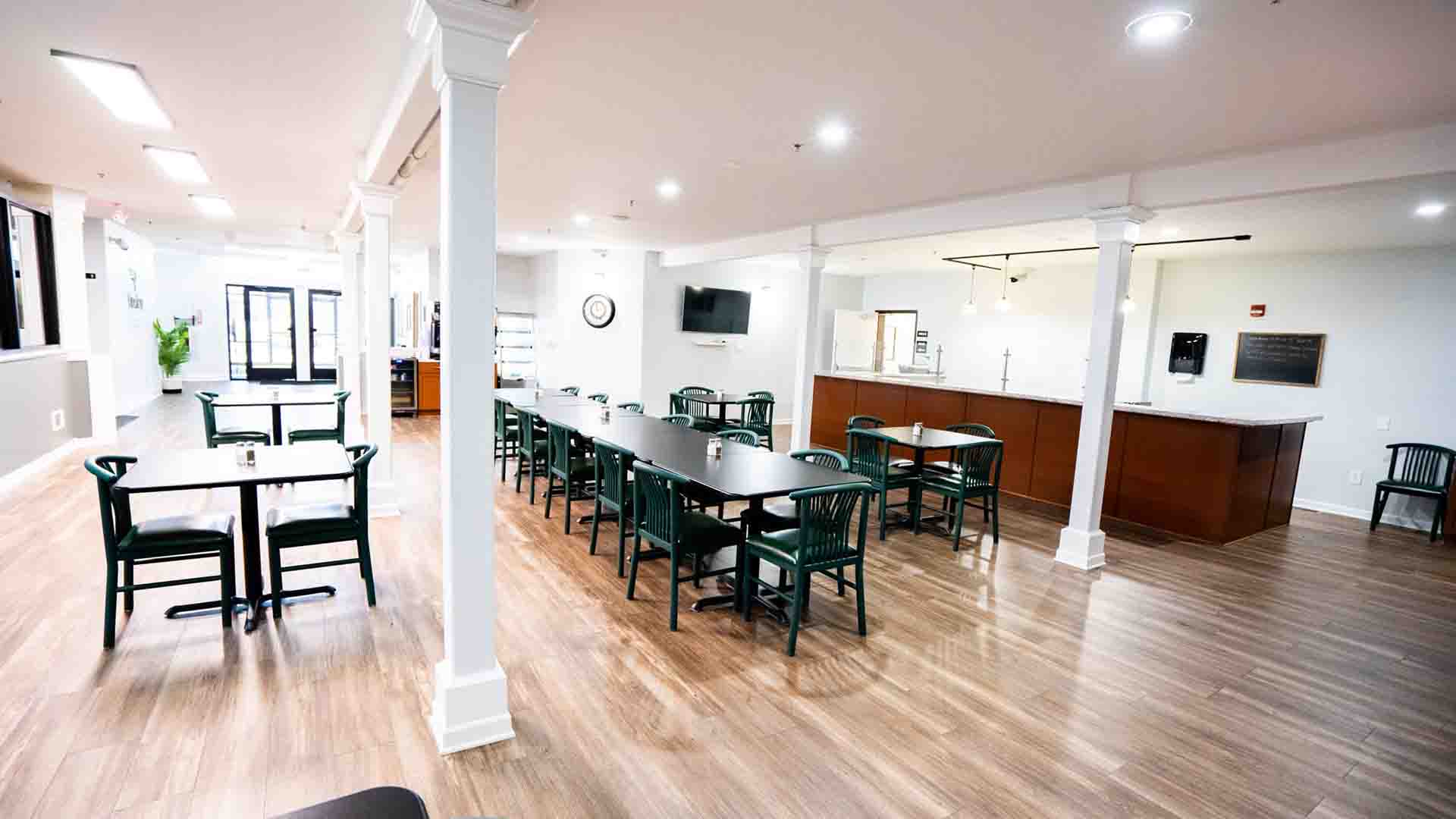
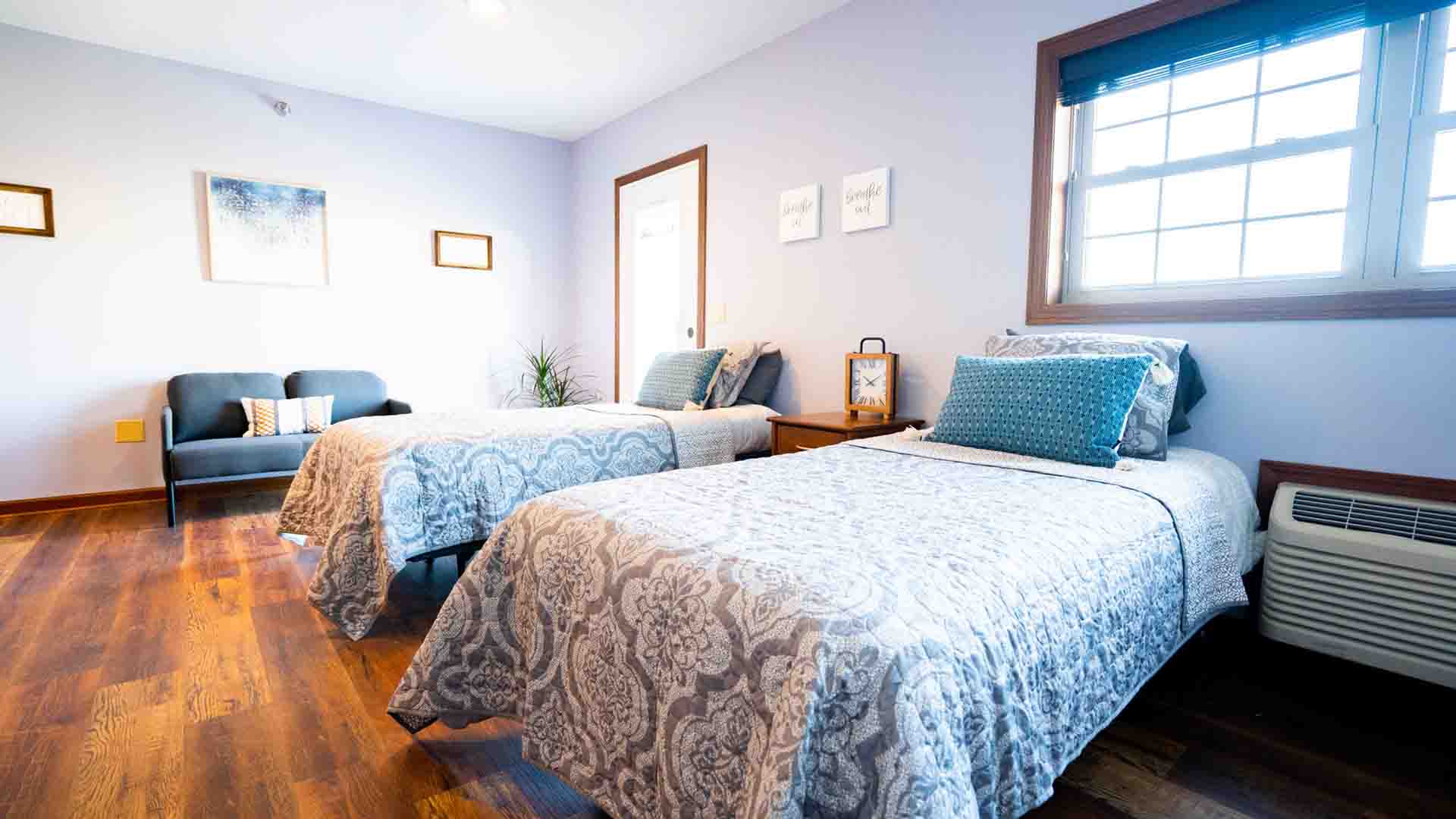
Findlay Recovery Center is a rehab center designed to support individuals with stimulant addiction. Beginning with medically monitored detox, clients at Findlay Recovery can begin their rehabilitation journey in a safe and comfortable environment. After completing detox, clients can move directly into the inpatient rehab program. Our clients receive holistic rehabilitative care designed to heal the mind, body, and soul. Contact us today to see how we can support you or your loved one through meth addiction.
What Is Meth?
Methamphetamines are stimulant drugs. They affect the central nervous system by speeding up the neuron connections and overwhelming the system. Meth works to speed up the release of dopamine. Over time it can actually kill the dopamine cells and getting high can cause psychosis and paranoia. Meth is most often injected or taken orally. This can be physically identifiable by injection site bruises and disfigured and discolored gums in the mouth.
And Individuals using methamphetamines can experience:
- “Increased wakefulness
- increased physical activity
- decreased appetite
- rapid breathing and heart rate
- irregular heartbeat
- increased blood pressure
- hyperthermia (overheating)”
Because of how variable the reaction to stimulants like methamphetamines are, individuals will often stimulate shop or mix stimulants with opioids to reduce the negative side effects.
What Makes Meth So Addictive?
Unlike other stimulants, methamphetamines are so addictive because of how long they stay in the system and the heavy withdrawal crash they cause. Methamphetamines can take up to 24 hours to fully process out of the system. While other stimulants, like cocaine, or quickly processed by the body within one hour, meth stays in the system and can cause extreme withdrawal symptoms.

Withdrawal symptoms from methamphetamines can include:
- “Physical Symptoms
- Headaches
- Constipation
- Diarrhea
- Irregular or pounding heartbeat
- Muscle or joint pain
- Red/itching eyes
- Sweaty or clammy
- Emotional symptoms
- Angry
- Anxious/nervous
- Craving
- Depressed
- Irritable
- No motivation
- Loss of interest or pleasure
- Restless
- Suicidal thoughts
- Functional symptoms
- Increased appetite
- Decreased appetite
- Poor concentration
- Poor memory
- Sleep difficulties
- Tired or low energy”
What Kind of Rehab Is Best for Meth Addiction?
The most common type of rehab recommended for methamphetamine addiction is inpatient rehab. Inpatient residential rehab is most often recommended because of the structure that it can provide addicts. Methamphetamines take over the body and require extensive detox and therapy to overcome. Residential rehab offers support and teaches clients how to implement relapse prevention strategies and south management skills that can support lifelong sobriety.
Through inpatient residential rehab, clients can also focus on healing their physical body. Many residential rehab centers offer proper nutritional therapy and structured physical activities that can help heal and physically strengthen the body while calming the mind. For example, yoga is often offered in residential rehab facilities to help strengthen the body and calm the mind.
Findlay Recovery Center
Supporting clients through rehabilitation is our number one goal at Findlay recovery center. We believe that everyone is capable of living a happier and healthier sober life. Through holistic rehabilitation options, our clients can focus on their recovery and a safe and modern environment.
At Findlay, our comprehensive treatments include detoxification and withdrawal support, inpatient rehabilitation, and structured aftercare development. After leaving Findlay, you will have an alumni support network to grow with and support you even after leaving the facility.
Our rehab center offers proper diet and physical fitness guidance in addition to our individual counseling and group therapy. We also offer family therapy to those who wish to rebuild their relationships and reconnect with loved ones.