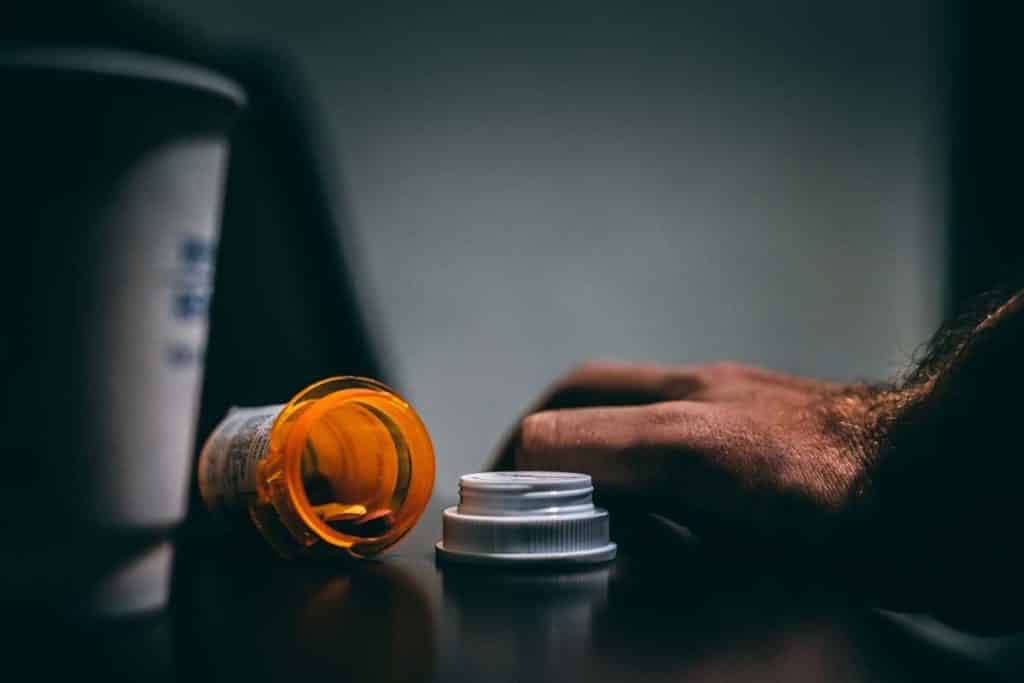
In 2014, over 2.5 million Americans suffered from opioid addiction which led to more than 28,000 deaths in that year alone. In the following years, this number has been on the increase, prompting more awareness and research into how to prevent and treat opioid overdose, withdrawal, and addiction.
What are Opioids?
Opioids are a group of drugs that are derived from the opium plant though some are synthetically made. These drugs include heroin as well as legally available painkillers such as codeine, oxycodone (OxyContin), morphine, tramadol, hydrocodone (Vicodin), and fentanyl, among others.
Legally available, opioids are analgesics and sedatives and are therefore used for pain management. They are safe for short-term use as long as you take them strictly as prescribed. However, because they interact with the opioid receptors in the brain’s nerve cells, they often induce euphoria along with pain relief. This is what leads to misuse and eventual dependence and addiction.
Opioid misuse can not only lead to overdose and addiction but also neonatal abstinence syndrome if abused by expectant women.
Opioid Overdose
Prescription opioid overdose has resulted in the deaths of thousands across the country. An overdose may be intentional (in cases of attempted suicide) or unintentional when an individual mistakes the dose they’re supposed to take.
An opioid overdose can quickly lead to death because these drugs act on and suppress the part of the brain that controls breathing. The 3 most common signs of an opioid overdose include:
- Unconsciousness
- Pinpoint Pupils
- Respiratory Depression
To save someone who has overdosed on opioids, it is crucial to take action as soon as possible. Opioid overdose is reversible using the drug Naloxone.
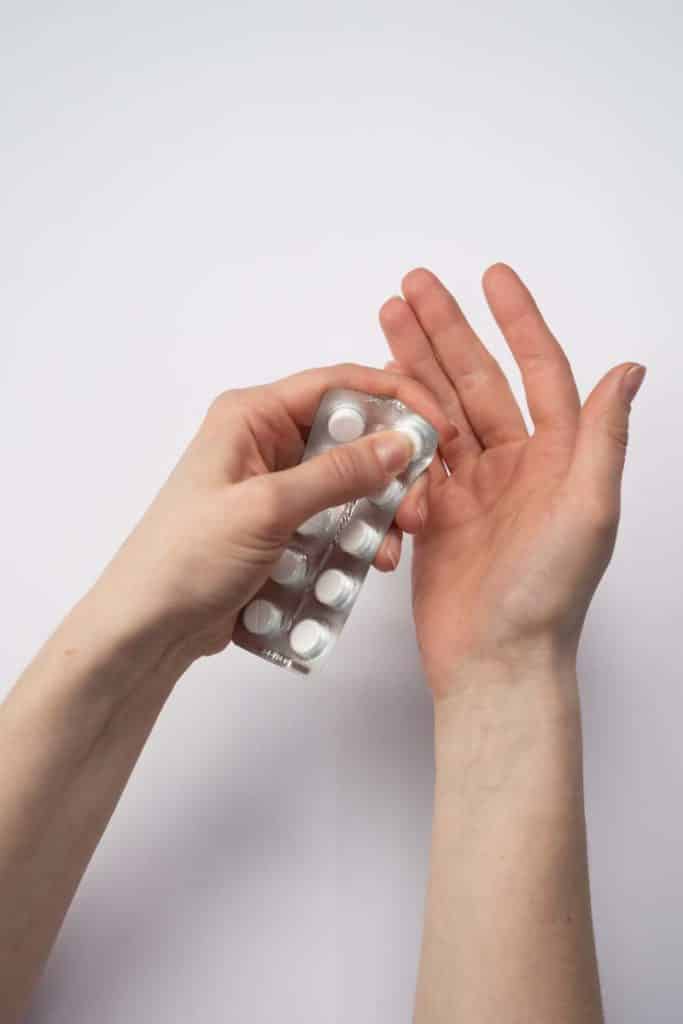
Naloxone (Brand name: Narcan and Kloxxado)
Naloxone has been authorized for use in reversing the effects of an opioid overdose as long as it’s given right away and the person receives basic life support before being taken to the hospital as soon as possible. This medication is an opioid antagonist and works by preventing central nervous system or respiratory depression i.e. when an individual’s breathing slows down and almost stops. Naloxone is very effective in countering the negative effects of opioid overdose and should not be used to try and treat opioid addiction.
Naloxone is available as a single-use, single-dose nasal spray and as a single-use auto-injector. The latter is injected into a muscle or a vein and takes effect in minutes.
Some of the common side effects of Naloxone include nervousness, restlessness, dizziness, nausea, or chills.
Opioid Withdrawal
Opioid withdrawal happens when an individual stops using opioids. For some, the withdrawal process can be difficult and painful and this keeps many of those addicted to opioids from seeking help. For those who seek help, the withdrawal symptoms may be severe enough that treatment fails and relapse occurs. Some of these withdrawal symptoms include muscle twitching and spasms, muscular tension, yawning, aches and pains, stomach cramps, insomnia, and runny eyes, among others
However, with the use of medication, one can safely undergo opioid withdrawal. The main medication used here is Lofexidine.
Lofexidine (Brand name: Lucemyra)
This is an oral tablet that has been approved to manage the symptoms experienced during opioid withdrawal. It works by blocking the release of norepinephrine, a hormone that mimics adrenaline and that causes the characteristic opioid withdrawal symptoms.
Lofexidine is effective in managing or reducing these symptoms even if the use of opioids is suddenly stopped. However, it does not treat opioid addiction.
It is important to take this medication as prescribed. It may cause several side effects, especially on the heat and blood vessels. This includes severe dizziness, a slow heartbeat, low blood pressure, and feeling faint.
Opioid Addiction
The greatest danger of opioid misuse is that it can lead to opioid addiction. Once an individual is addicted to opioids, they may experience a strong desire to take them, coupled with an impaired ability to control their opioid use. Additionally, they may continue using the drugs despite experiencing negative effects. Opioid addiction treatment should only be done under medical supervision or at a drug addiction treatment program.
There are 3 main medications authorized for use in treating opioid addiction. These include:
- Buprenorphine (Brand name: Sublocade)
This is available as a monthly injection or a daily tablet. The medication works by acting as an opioid in the brain to reduce the desire and cravings for actual opioids. The first dose of Buprenorphine is best taken when an individual starts experiencing mild to moderate withdrawal symptoms.
Buprenorphine and Naloxone can also be combined (Brand names: Suboxone and Zubsolv). This medication is available as a tablet or as a film that is taken daily by dissolving under the tongue. These two are combined to prevent possible misuse.
- Methadone (Brand name: Dolophine or Methadose)
This medication is available as a daily liquid or tablets that are taken once a day. Generics are also available. It acts as an opioid in the brain reducing the cravings and desire for opioids. However, it does not induce a high, and those who take it feel normal, allowing them to function. Methadone can be safely used at the beginning of withdrawal.
- Naltrexone (Brand name: Vivitrol)
This is available as a monthly injection and works by blocking opioids from acting on the brain, thereby preventing opioid addicts from getting high. It is a strong medication and it’s recommended that those taking it should have successfully undergone medically supervised detox to ensure that they don’t have any opioids in the body. Otherwise, they are at risk of strong withdrawal symptoms when taking this medication. Naltrexone is also a good option for preventing relapse.
We Can Help You
Beating opioid addiction may be difficult, but it is possible with the right help. Here at Findlay Recovery Center in Ohio, we offer affordable drug and alcohol addiction treatment programs to ensure we reach as many people as possible. We have qualified and experienced staff who have assisted people dealing with opioid addiction, so you’ll be in safe hands. Get in touch with us today and let us work together to rebuild your life free from addiction.


