When residential addiction becomes the driving force in your life, it often feels like you are living in a permanent state of emergency. The days are consumed by the frantic need to secure substances, the fear of withdrawal, or the stress of hiding your reality from the people you love. This constant cycle of high-stakes survival creates a pattern of chaos that becomes familiar, almost comfortable in a twisted way. You might find that even when things are quiet, you are waiting for the other shoe to drop. You have learned to live in crisis mode, and your body and mind are stuck on high alert.
Unlearning this crisis response is one of the most challenging but essential parts of recovery. It is difficult to do this while remaining in the same environment where the chaos began. This is where residential drug treatment becomes a powerful tool for change. It offers more than just a break from substance use; it provides a sanctuary where you can step off the rollercoaster, breathe, and begin the profound work of practicing calm.
The Addiction to Chaos
Addiction does not just alter your brain chemistry regarding dopamine and reward; it rewires your stress response. Over time, the brain becomes accustomed to the adrenaline and cortisol spikes that come with the lifestyle of substance use. You become hyper-vigilant, always scanning for threats or problems to solve.
When you stop using it, this internal alarm system does not shut off immediately. Without the substance to numb the noise, the silence of a normal day can feel unsettling or even boring. Many people relapse not because they crave the drug itself, but because they do not know how to exist without the chaos. They unconsciously create problems or seek out stressful situations because that is the only way they know how to feel “normal.”
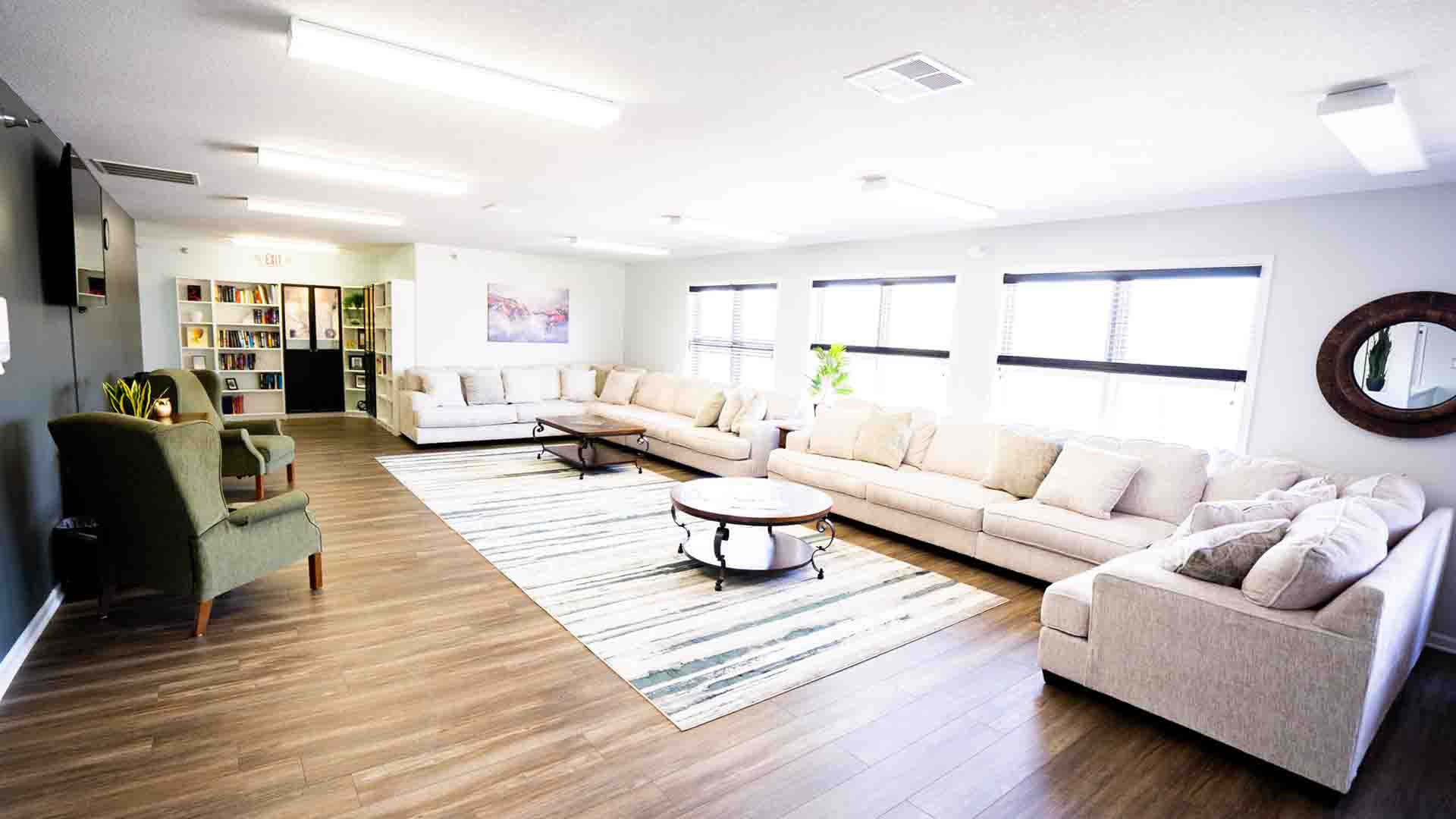
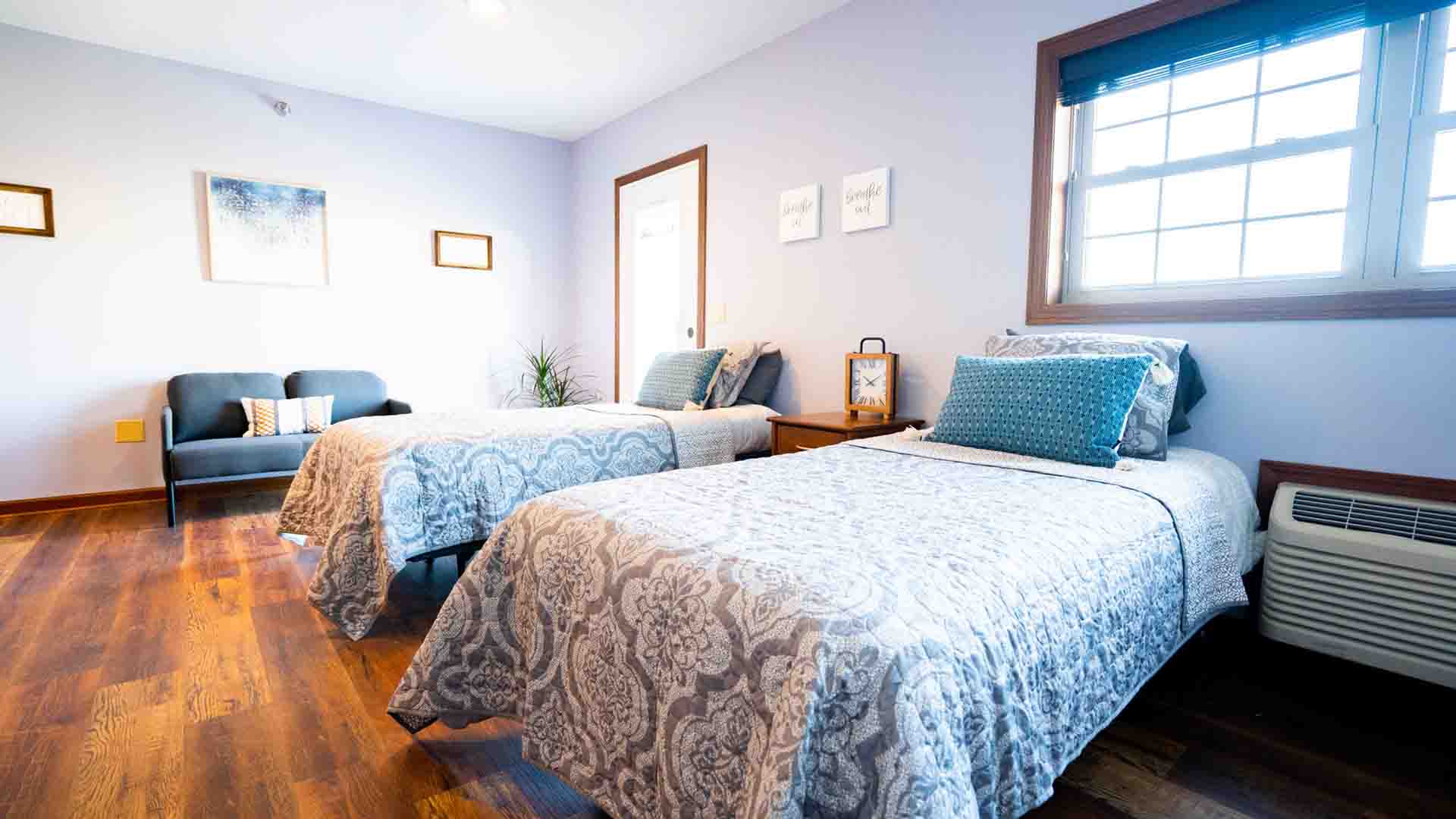
Residential treatment interrupts this pattern. By removing you from the unpredictable environment of active addiction and placing you in a safe, consistent space, it forces the nervous system to slow down. It gives you the rare opportunity to learn that safety is not boring; it is the foundation of a life worth living.
Structure as a Tool for Healing
One of the primary ways residential treatment fosters calm is through structure. In active addiction, life is often unpredictable. Meals are skipped, sleep is erratic, and promises are broken. In contrast, residential treatment operates on a reliable schedule.
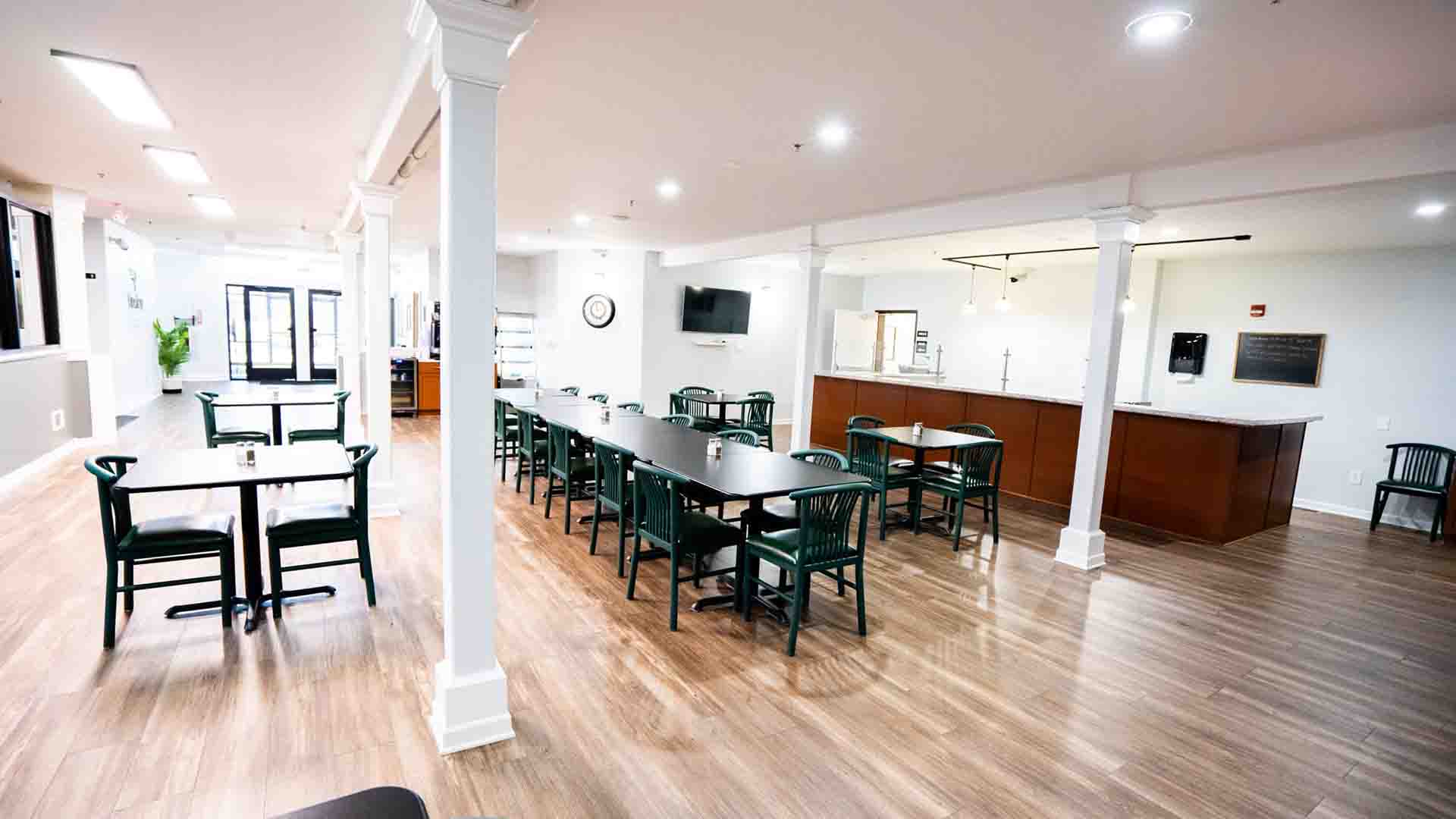
You wake up at the same time, eat nutritious meals at set hours, and attend therapy sessions and activities on a predictable rotation. This might feel rigid at first, but for a brain recovering from chaos, this predictability is medicine. It signals to your nervous system that you do not have to be in charge of everything. You do not have to worry about where your next meal is coming from or if you are safe.
This external structure acts as a scaffold for your internal world. As you move through the days without crisis, your body begins to trust the calm. You start to sleep better, your digestion improves, and your mind clears. You are learning, day by day, that a day without an emergency is a good day.
Therapy: Learning to Sit With Stillness
Practicing calm is not just about a quiet environment; it is about learning to be quiet within yourself. This is often where the real work begins. When the chaos stops, emotions that have been suppressed for years often bubble to the surface. Sadness, guilt, anxiety, and fear can be overwhelming when there is no crisis to distract you from them.
In residential treatment, therapy provides the tools to handle these emotions without panicking. Cognitive Behavioral Therapy (CBT) helps you identify the thought patterns that lead to stress and replace them with more balanced perspectives. Mindfulness and meditation practices teach you how to observe your thoughts without getting swept away by them.
Instead of reacting impulsively to every feeling—a hallmark of crisis mode—you learn to pause. You learn that feelings are temporary and that you can survive them without acting out. This “pause” is the essence of calm. It is the space where choice lives, allowing you to respond to life rather than just react to it.
The Power of a Calm Community
Recovery is rarely a solo journey. In a residential setting, you are surrounded by peers who are also unlearning crisis. This shared experience creates a unique bond. In active addiction, relationships are often transactional or based on shared substance use. In treatment, you build relationships based on honesty, vulnerability, and mutual support.
Seeing others navigate their challenges with patience and dignity inspires you to do the same. Peer support groups offer a space to practice healthy communication. You learn that conflict does not have to result in a blow-up or a breakdown. You can disagree, talk it through respectfully, and move on. These small victories in social interaction rebuild your confidence and prove that you can handle life’s ups and downs without returning to chaos.
Building a Foundation for the Future
Research supports the effectiveness of residential treatment for long-term recovery. The National Institute on Drug Abuse notes that the length of time spent in treatment is directly related to positive outcomes. The immersive nature of residential care allows for a deeper reset of the brain’s stress pathways compared to outpatient options.
By the time you leave residential treatment, the goal is not just to be sober, but to be stable. You take with you the memory of what calm feels like in your body. You have a toolkit of strategies to return to that center when the world outside gets loud. You have learned that you do not need a crisis to feel alive; you can find fulfillment in peace, connection, and growth.
You Deserve a Life of Peace
If you are exhausted from the endless cycle of emergencies and stress, please know that a different way of living is possible. You do not have to be a prisoner of chaos. You deserve to feel safe in your own skin and at peace in your own life.
At Findlay Recovery Center, we specialize in helping individuals transition from crisis to calm. Our residential treatment program is designed to provide the structure, safety, and compassionate care you need to heal. We are here to help you unlearn the patterns that are holding you back and practice the skills that will move you forward.