Residential drug treatment creates the environment where real recovery becomes possible and for many people, that environment is the missing piece. When home is filled with triggers, stress, and deeply ingrained patterns, even the strongest intentions can quietly unravel.
If you or someone you love has struggled to make recovery stick, please know that is not a sign of failure. Change is incredibly hard when the world around you keeps pulling you back.
Sometimes healing requires stepping fully away from the noise. A supportive residential setting gives you the safety, structure, and focus that lasting recovery truly demands. Understanding how that environment works can help you take this next step with more hope and less fear.
What Is Residential Drug Treatment in Simple Terms?
Residential drug treatment is a level of care where you live at a treatment facility full-time while receiving therapy, medical support, and structure around the clock. It removes you from daily triggers so you can focus entirely on healing.
Instead of trying to recover between work, errands, and stressful relationships, you step into a space built for one purpose. That purpose is your well-being.
This kind of care surrounds you with trained professionals and a supportive community. You are never left to face the hardest moments alone.
How Is Residential Treatment Different From Outpatient Care?
Residential treatment differs from outpatient care because you live on-site rather than returning home each day. This full-time setting offers deeper support during the most vulnerable stages of recovery.
Outpatient programs let you heal while staying connected to home, work, or school. That flexibility works well for many people, especially those with stable, supportive environments.
Residential care fits those who need more distance from triggers and more consistent support. Both paths lead toward the same goal, and a caring team helps you find the right one.
Why Does Residential Drug Treatment Create the Environment Where Real Recovery Work Becomes Possible?
Residential drug treatment creates the environment where real recovery work becomes possible because it removes the distractions and stressors that make healing so difficult at home. When those pressures fall away, your energy can finally go toward getting well.
Recovery asks a lot of you emotionally and physically. Facing painful memories or building new habits takes focus that a chaotic environment rarely allows.
By stepping into a calm, structured space, you create room for genuine change. The work becomes possible not because you are stronger, but because your surroundings finally support you.
How Does Removing Daily Triggers Support Healing?
Removing daily triggers supports healing by giving your brain and body a break from constant temptation and stress. That relief lets your nervous system settle and your mind grow clearer.
At home, reminders of substance use can be everywhere. Certain people, places, or routines can spark cravings before you even notice them.
In a residential setting, those triggers step aside. This space gives you the chance to build new coping skills before you face old challenges again.
Why Does Structure Matter So Much in Early Recovery?
Structure matters so much in early recovery because predictable routines help calm a mind and body used to chaos. A steady rhythm creates a sense of safety that makes healing feel possible.
Each day in residential care follows a supportive pattern. Regular therapy, meals, rest, and activities give your days shape and purpose.
This predictability eases anxiety and rebuilds a sense of control. Over time, these healthy routines become habits you can carry with you.
Who Benefits Most From Residential Treatment?
People who benefit most from residential treatment are those who need a higher level of support, a break from triggers, or a safe space away from an unstable home. It meets you where the need is greatest.
This level of care often helps individuals who have tried outpatient treatment without lasting success. It also supports those facing severe substance use or difficult living situations.
If home feels unsafe or full of reminders of the past, residential care offers refuge. You deserve a place where healing can truly begin.
What Role Does Community Play in Recovery?
Community plays a powerful role in recovery by reminding you that you are not alone in what you are facing. Being surrounded by others who understand eases the shame that addiction often carries.
In residential treatment, you live alongside people walking a similar path. You share meals, group sessions, and small daily victories together.
These connections build genuine support and accountability. Many people leave with friendships and a sense of belonging that strengthen their recovery for years.
How Does Treatment Address Mental Health Too?
Treatment addresses mental health by caring for the whole person, not just the substance use. Many people living with addiction also face depression, anxiety, or trauma that deserve attention.
Healing one part while ignoring the other rarely leads to lasting change. Both need care at the same time.
At Findlay® Recovery Center, dual diagnosis treatment addresses substance use and mental health together. This integrated approach helps make sure nothing gets overlooked.
What Can You Expect During Residential Treatment?
During residential treatment, you can expect compassionate care, a structured daily routine, and a variety of therapies designed around your needs. Your experience begins with truly understanding your story.
Care usually starts with a thorough assessment of your history, health, and goals. This helps the clinical team build a plan that fits you as an individual.
From there, your days blend individual counseling, group sessions, and time for rest and reflection. Every part of the day is meant to move you forward while keeping you supported.
How Does Detox Fit Into the Process?
Detox fits into the process as the first step that clears substances from your body before deeper treatment begins. It prepares you physically for the work ahead.
For many people, medical detox Ohio comes before entering a residential program. This stage keeps you safe and as comfortable as possible while your body stabilizes.
Once detox is complete, you can fully engage in therapy with a clearer mind. Detox and residential treatment work together as parts of one continuous journey.
What Therapies Are Commonly Used?
The therapies commonly used in residential care include individual counseling, group therapy, and evidence-based approaches like Cognitive Behavioral Therapy. Each one supports a different part of your healing.
Individual counseling gives you space to explore personal challenges with a trusted therapist. Group therapy builds connection and shared understanding among peers.
Many programs also include family involvement, skill-building, and holistic practices. Together, these tools help you heal in body, mind, and relationships.
How Do You Decide If It Is Time to Get Help?
Deciding whether to seek help can feel overwhelming, so it helps to look at a few clear signals. Use the points below to reflect on where you stand.
- Consider residential treatment if you have tried outpatient care or quitting on your own without lasting success.
- Reach out if your home environment is full of triggers that make staying sober feel nearly impossible.
- Take action if substance use is affecting your health, relationships, work, or daily responsibilities.
- Seek support if a mental health condition, like depression or anxiety, is tangled up with your substance use.
- Contact a professional if you feel you need a safe, structured space away from daily stress to focus on healing.
- Get help immediately if you have any thoughts of harming yourself.
If several of these points feel familiar, that is a meaningful sign. Trusting your instincts about your own well-being matters.
Common Questions Before Starting Treatment
How long does residential drug treatment usually last?
Residential programs often last between 21 and 30 days, though the length varies based on individual needs. Some people benefit from a longer stay to build a stronger foundation. Your care team will work with you to find a timeline that fits your situation.
Will I be completely cut off from my family?
No, most programs encourage healthy family involvement as an important part of recovery. There may be a short adjustment period at first, but many programs offer family therapy and visits. The goal is to strengthen your support system, not to isolate you from it.
What if I have tried treatment before and it did not work?
Returning to treatment is not a failure, and many people find success after previous attempts. Each experience teaches you something, and a residential setting may offer the support that was missing before. You deserve another chance at healing, no matter what came before.
Is residential treatment like a hospital?
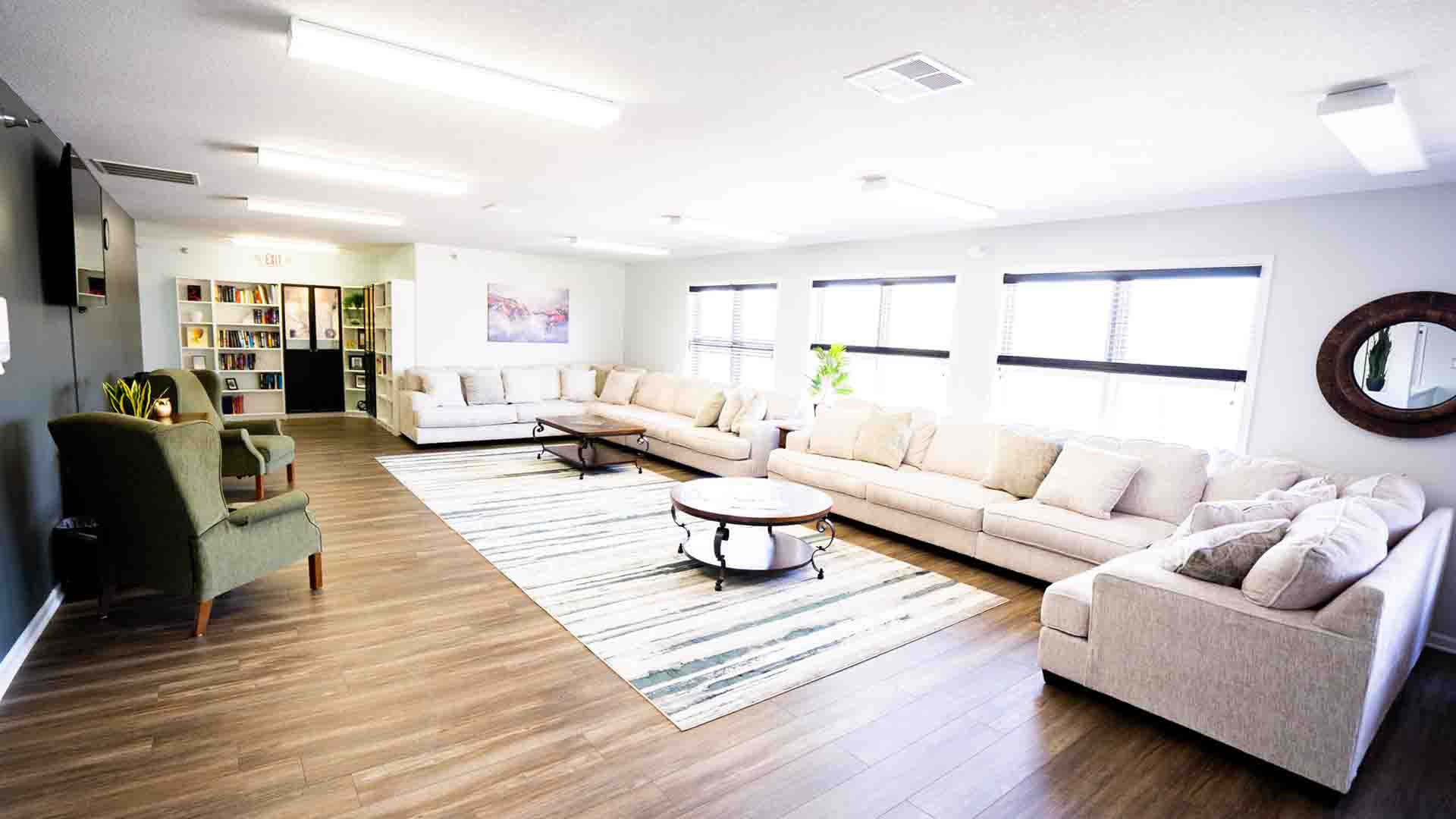
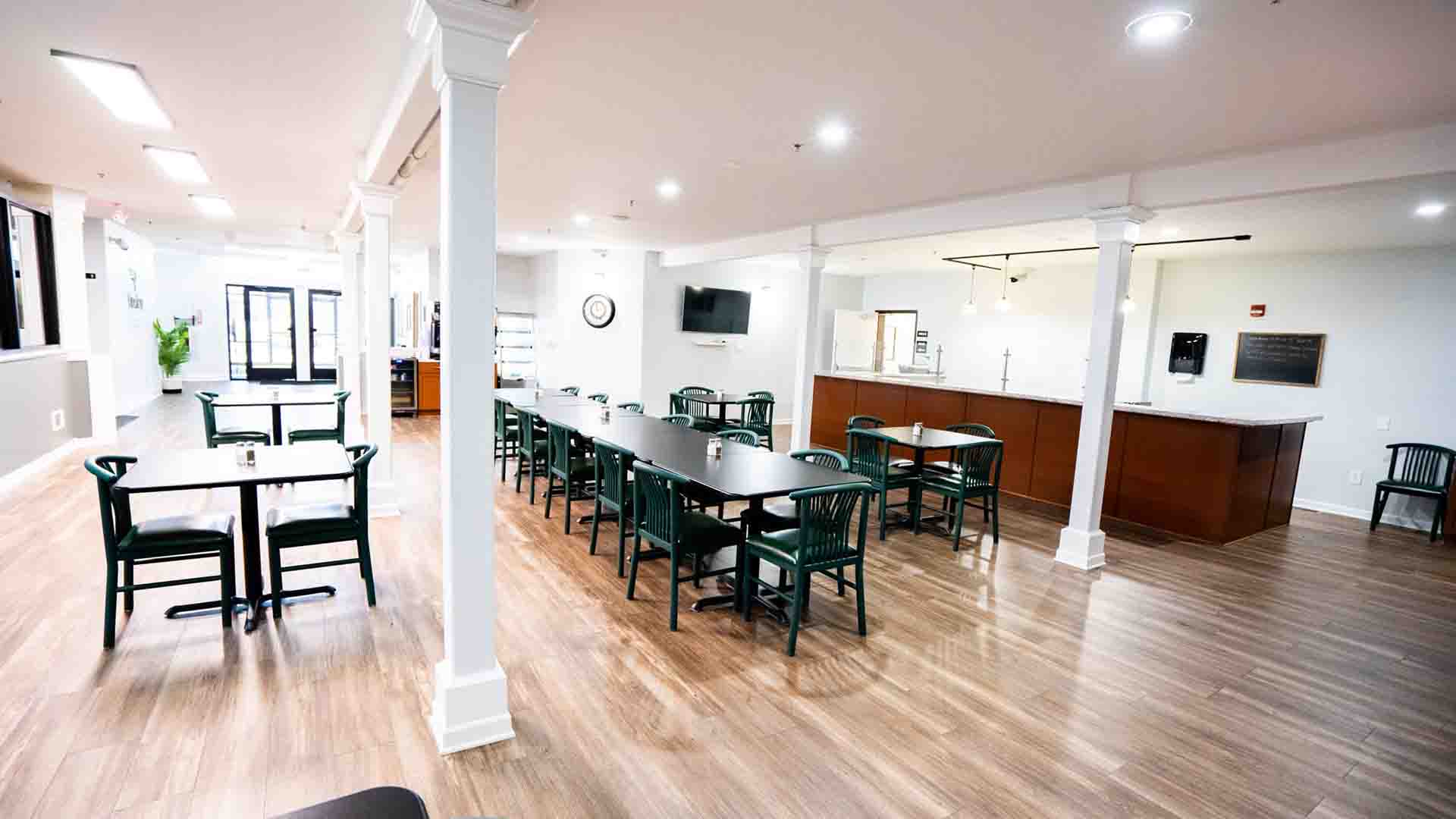
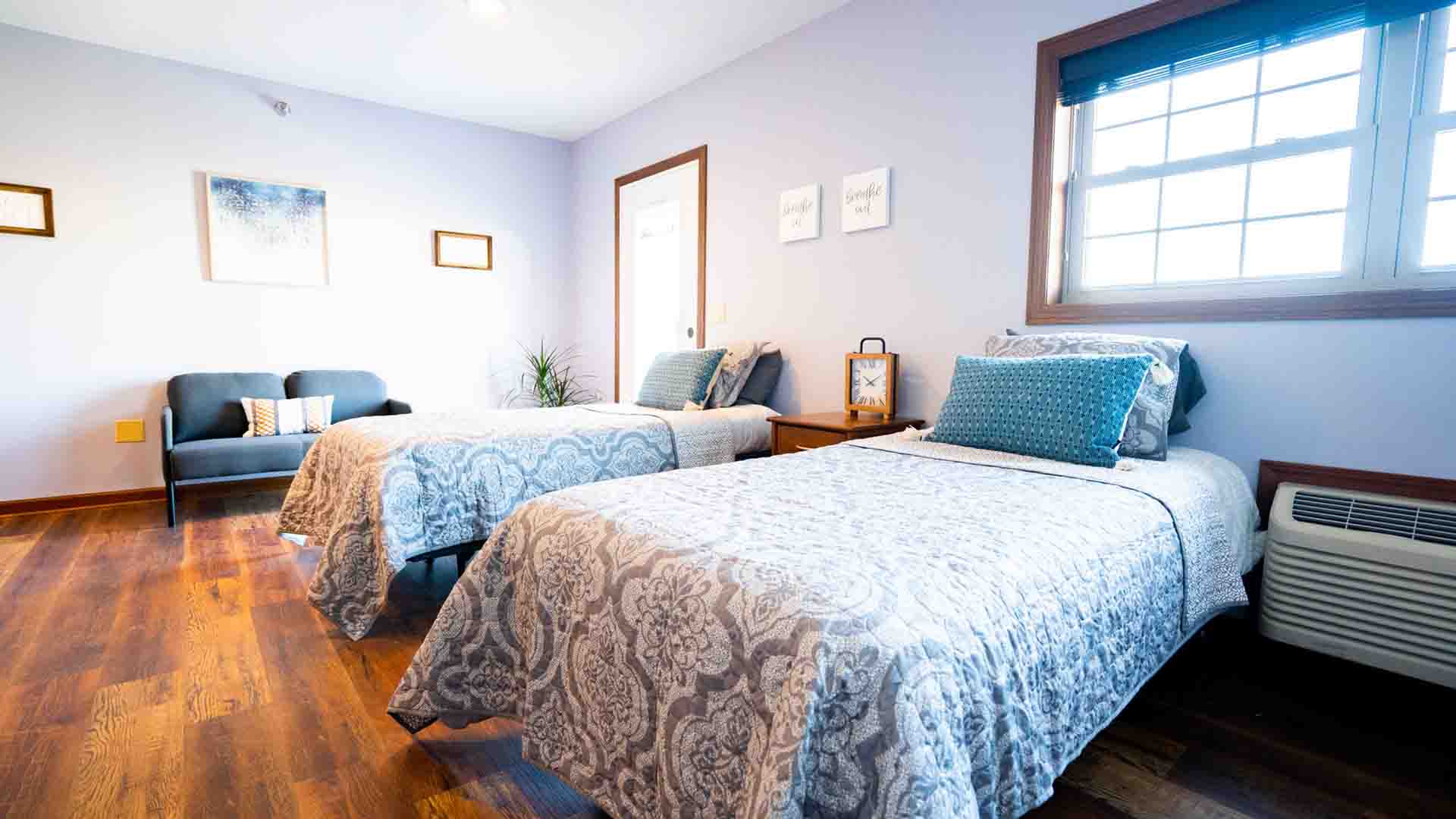
No, most residential facilities are designed to feel warm and comfortable rather than clinical. You will find supportive staff, communal spaces, and a calm environment built for healing. The focus is on rest, connection, and genuine care.
What happens after I complete residential treatment?
After residential care, most people step down into outpatient programs or ongoing support to continue their progress. This helps you carry your new skills into everyday life with steady guidance. Your care team will help you plan a smooth, supported transition.
You Deserve a Space Where Healing Can Begin
Residential Drug Treatment Creates the Environment Where Real Recovery Work Becomes Possible, and stepping into that space could be the turning point you have been waiting for. If recovery has felt out of reach at home, please know the problem was never you. Sometimes healing simply needs the right surroundings.
Reaching out takes courage, and you have already shown that by learning more about your options. You deserve a place where you feel safe, supported, and free to focus fully on getting well.
The compassionate team at Findlay Recovery Center is here to listen without judgment and to help you find a path forward. You do not have to navigate this alone. Please reach out today to learn how we can support you on the road to healing.