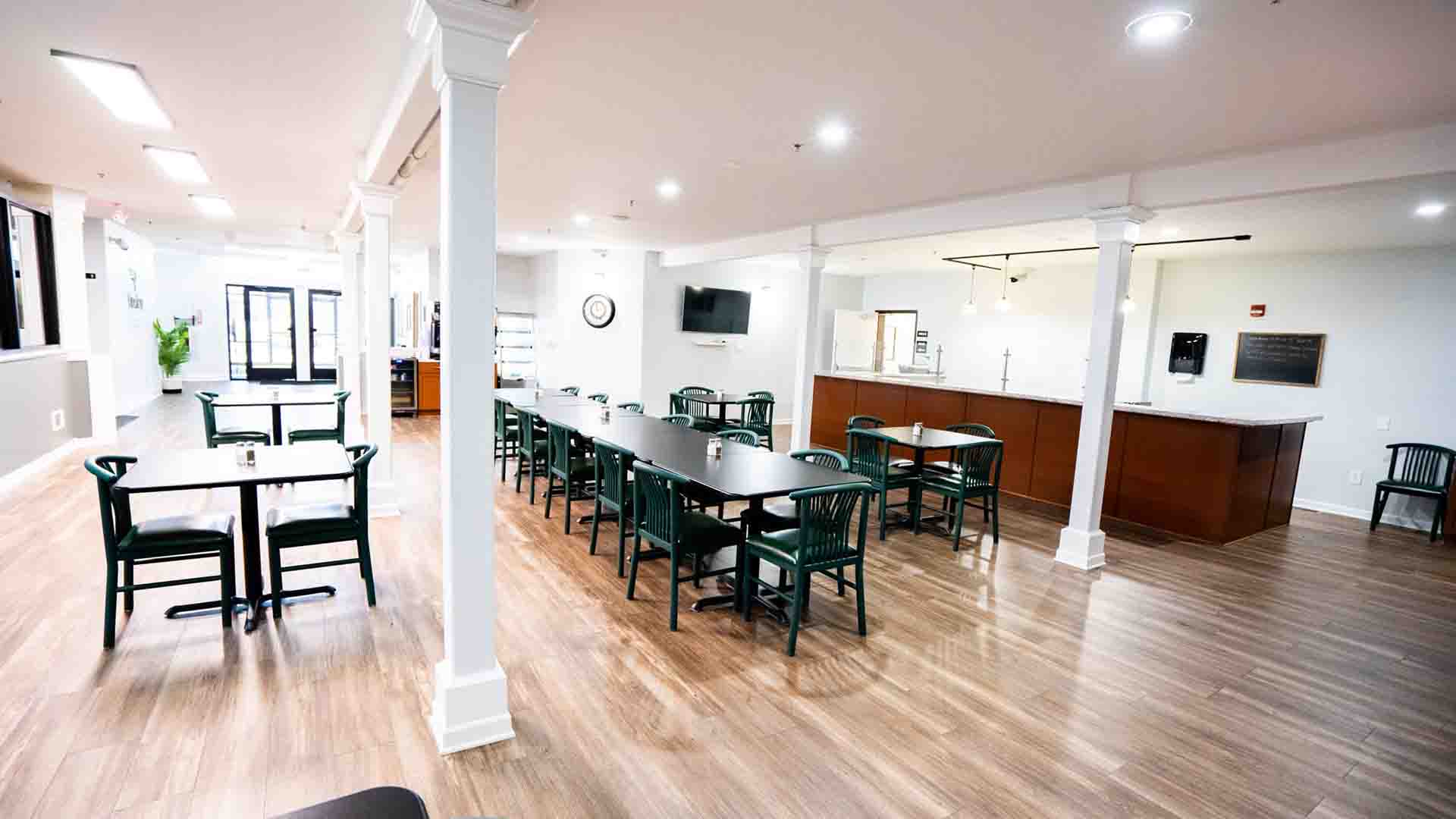
Partial Hospitalization offers the clinical depth you need without requiring you to step away from daily life entirely and for many people, that balance comes as a genuine relief. You may be ready for serious, focused care, yet feel unable to walk away from your home, your family, or your responsibilities. PHP makes it possible to pursue both.
If you or someone you love is caught in that tension, please know it is completely understandable. Choosing a level of care can feel like an impossible decision when your needs pull in two directions.
You do not have to choose between healing and holding your life together. There is a path built for exactly this middle ground, one that offers intensive support while letting you sleep in your own bed at night. Understanding how it works can help you take this next step with more confidence and far less fear.
What Is Partial Hospitalization in Simple Terms?
Partial hospitalization is a level of care where you attend structured treatment during the day and return home in the evening. It offers many of the same therapies as residential care without requiring you to live at a facility.
Often called day treatment, a partial hospitalization program (PHP) usually runs five to six hours a day, several days a week. Your days are full of focused, meaningful support.
This structure gives you real clinical depth while keeping you connected to your own life. You receive strong care during the day and rest at home each night.
How Does a PHP Compare to Other Levels of Care?
A PHP sits between residential treatment and standard outpatient care, offering more support than outpatient but more flexibility than living on-site. It fills an important gap in the recovery journey.
Residential care surrounds you with support around the clock. That level of structure helps during the earliest or most vulnerable stages of healing.
A PHP steps down from that intensity while keeping the clinical work strong. You get deep, daily care and still return home, which many people find easier to manage.
Why Does Partial Hospitalization Deliver Clinical Depth Without Requiring a Full Step Back From Daily Life?
Partial hospitalization delivers clinical depth without requiring a full step back from daily life because it packs intensive therapy into daytime hours while leaving your evenings free. You get serious treatment without giving up every part of your world.
Each day includes individual counseling, group sessions, and skill-building. This is real, focused clinical work, not a lighter version of care.
When the day ends, you go home to practice what you learned. That daily rhythm of treatment and real life helps healing take root where it matters most.
What Does “Clinical Depth” Actually Mean Here?
Clinical depth means you receive comprehensive, evidence-based treatment guided by trained professionals, not simply a check-in. Your care addresses the whole person, mind and body together.
A quality PHP includes therapy, medical oversight, and support for any mental health conditions alongside substance use. Nothing important gets left out.
At Findlay® Recovery Center, this depth is woven into compassionate mental health treatment designed around your needs. The goal is genuine progress, not a rushed process.
How Does Staying Home Support Recovery?
Staying home supports recovery by letting you practice new skills in the real world every single day. You do not have to wait until treatment ends to test what you are learning.
Real life brings real challenges. A craving, a stressful conversation, or a hard evening becomes something you can process with your team the very next morning.
This steady loop between treatment and daily life builds lasting confidence. You learn to handle triggers while still holding onto strong professional support.
Who Benefits Most From a Partial Hospitalization Program?
People who benefit most from a PHP are those who need intensive support but can safely live at home in a stable environment. It meets you where structure and flexibility both matter.
This level of care often suits individuals stepping down from residential treatment. It also helps those who need more than a few weekly outpatient sessions can provide.
For a PHP to work well, your home should be safe and free of substances. A supportive living space becomes an important part of your healing.
Is a PHP Right for Someone Stepping Down From Residential Care?
Yes, a PHP is often an ideal step down from residential care because it eases the transition back into everyday life. It keeps strong support in place while giving you more independence.
Moving straight from full-time care back to daily routines can feel jarring. That sudden shift sometimes leads to setbacks.
A PHP softens that transition. You continue deep clinical work by day while slowly rebuilding your regular life at your own pace.
Can a PHP Help People With Co-Occurring Conditions?
Yes, a PHP can treat substance use and mental health conditions at the same time through integrated care. Many people face both, and healing one while ignoring the other rarely lasts.
Depression, anxiety, and trauma often travel alongside substance use. Each deserves attention and care.
At Findlay Recovery Center, dual diagnosis treatment addresses both together within the PHP structure. This whole-person approach helps make sure nothing gets overlooked.
What Can You Expect During a Partial Hospitalization Program?
During a PHP, you can expect structured days filled with therapy, support, and skill-building, followed by evenings at home. Your experience begins with truly understanding your story.
Care usually starts with a thorough assessment of your history, health, and goals. This helps your clinical team build a plan that fits you as an individual.
From there, your days blend different forms of treatment designed to move you forward. Every session serves a purpose in your recovery.
What Does a Typical Day Look Like?
A typical day includes a mix of individual therapy, group sessions, and educational or skill-based workshops. The schedule is structured yet supportive.
Mornings might begin with a check-in or a grounding practice. The core of the day focuses on therapy, where you dig into personal challenges and build new coping tools.
Afternoons often include group work or holistic activities before you head home. That balance keeps the day productive without leaving you overwhelmed.
How Does Detox Fit Into the Journey?
Detox fits in as an earlier step that clears substances from your body before you enter a PHP. It prepares you physically for the focused work ahead.
For many people, medical detox comes first, keeping them safe and stable during withdrawal. A PHP then builds on that foundation.
If you need more intensive care before a PHP, residential treatment may come first. Each level connects as part of one continuous path toward lasting recovery.
What Are the Warning Signs That You Need This Level of Care?
The warning signs that you need PHP-level care include struggling in outpatient treatment, frequent relapses, or feeling that weekly sessions are not enough. These signals point to a need for stronger daily support.
You might notice cravings or symptoms that feel harder to manage alone. Standard outpatient care may leave gaps that feel risky.
At the same time, you may not need or be able to commit to full-time residential care. When you fall between these two, a PHP often fits the need.
How Do You Decide If a PHP Is Right for You?
Deciding whether a PHP is the right fit can feel overwhelming, so it helps to look at a few clear signals. Use the points below to reflect on where you stand.
- Consider a PHP if you need intensive daily support but have a safe, stable place to live.
- Reach out if standard outpatient care has not felt like enough to keep you steady.
- Take action if you are stepping down from residential treatment and want a gentle transition.
- Seek support if a mental health condition, like depression or anxiety, is tangled up with your substance use.
- Explore this option if you want serious clinical care while staying connected to family or responsibilities.
- Get help immediately if you have any thoughts of harming yourself.
If several of these points feel familiar, that is a meaningful sign. Trusting your instincts about your own well-being matters.
Common Questions Before Starting Treatment
How many hours a day does a partial hospitalization program require?
Most partial hospitalization programs run about five to six hours a day, several days a week. The schedule is designed to be your main focus during this stage of healing. Your care team will help you understand the exact commitment based on your plan.
Can I keep working or going to school during a PHP?
Because a PHP asks for a significant daily commitment, full-time work or school is usually difficult to maintain. Some people manage part-time responsibilities in the evenings or on weekends. Your care team can help you think through what feels realistic for your situation.
How is a PHP different from residential treatment?
The main difference is where you sleep at night. In residential care, you live at the facility full-time, while a PHP lets you return home each evening. Both offer strong clinical support, and the right choice depends on your needs and living environment.
Will a PHP treat my mental health, not just substance use?
Yes, quality programs use an integrated approach that treats mental health conditions alongside substance use. Depression, anxiety, and trauma often need care at the same time. Treating the whole person gives you a stronger foundation for lasting recovery.
What happens after I complete a PHP?
After a PHP, most people step down into an intensive outpatient or standard outpatient program. This keeps supportive care in place while you gain more independence. Your team will help you plan a smooth, supported transition.
You Deserve Care That Fits Your Life
Partial Hospitalization offers the clinical depth you need without requiring you to step away from your daily life entirely. Recognizing that balance may be the turning point that makes your next step feel possible. You don’t have to choose between getting serious help and staying connected to the people and responsibilities that matter most to you.
Reaching out takes courage, and you have already shown that by learning more about your options. You deserve care that respects your life while giving you the depth of support real healing asks for.
The compassionate team at Findlay Recovery Center is here to listen without judgment and to help you find a path forward. You do not have to navigate this alone. Please reach out today to learn how we can support you on the road to healing.