If you’re wondering if your using is becoming more than just recreational, it is important to self-reflect and evaluate how your substance use is impacting yourself and those around you.
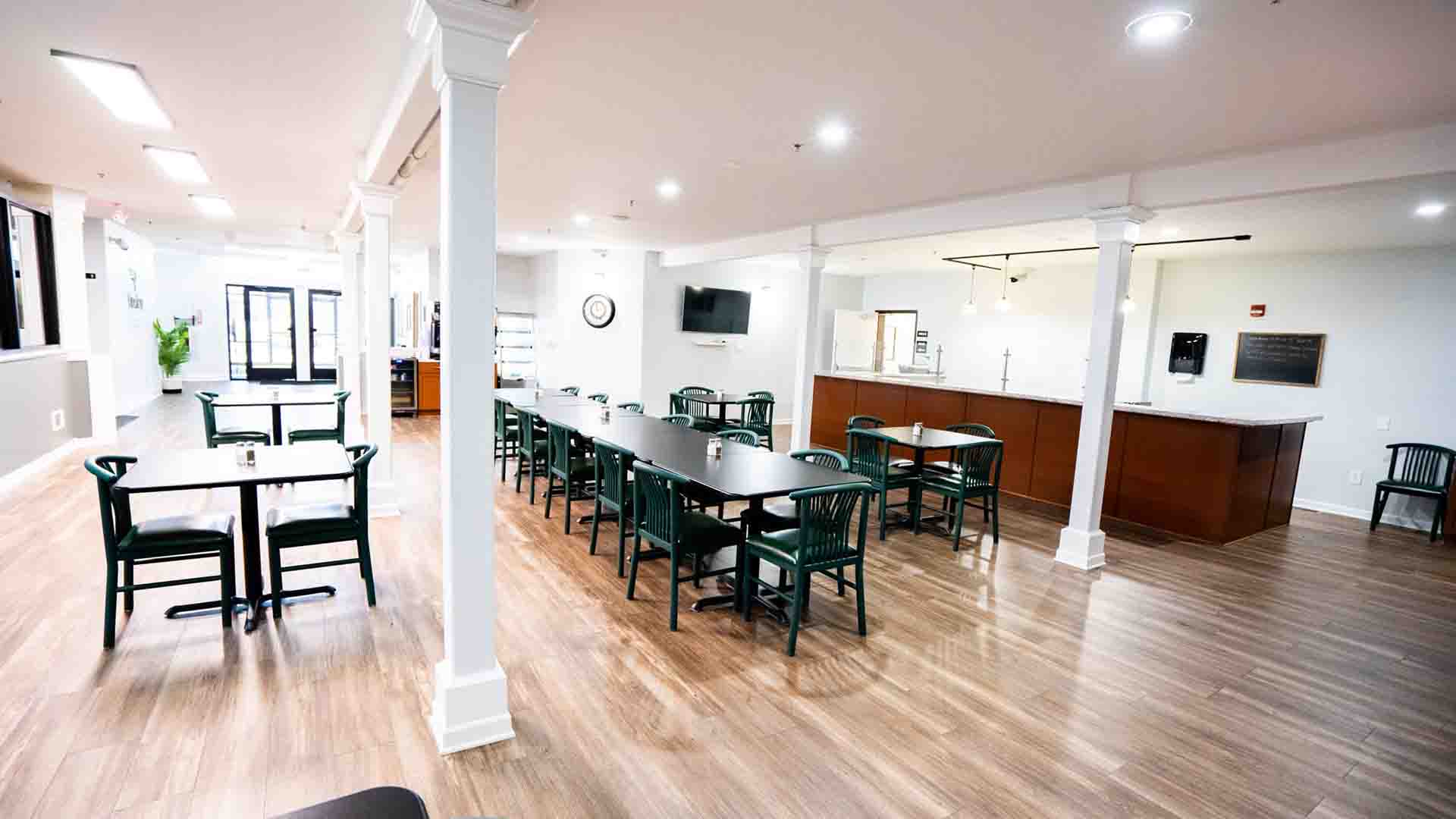
At Findlay Recovery Center, we support individuals with drug and alcohol addiction through detox and treatment. We embrace a multitude of treatment styles to support the individual needs of each client. At Findlay Recovery, we offer affordable care in a modern and supportive environment. We offer same-day admission, so contact us today to make the change now.
What Does It Mean To Be an Addict?
An addict is a person who uses substances even though they are causing the user problems. It is almost impossible to stop using without support. Addiction is also classified as a “chronic and relapsing” disorder, so individuals, even if they are able to get and remain clean for a period of time, may relapse and begin using again.
There is no cure for addiction, but there are ways for individuals to live and maintain a healthy and sober life after using drugs and drinking. These individuals implement self-regulation skills, relapse prevention strategies, and community support to maintain their sobriety.
While making these changes may sound difficult, there are ways for individuals with addiction to transform their lifestyle into one that is drug- and alcohol-free. But when it comes down to it, what is the difference between problematic drinking and being an alcoholic?
How Do I Know If I Am an Addict?
Knowing the difference between getting help with problematic drinking and alcoholism is beneficial. The type of support, length of treatment, and style of treatment can vary greatly.
When it comes to addiction, there are few that know more than the groups Alcoholics Anonymous and Narcotics Anonymous. These individuals have experienced addiction first-hand and have worked through it to get sober and maintain that lifestyle. In “Am I An Addict? Revised” there are several questions that AA and NA members recommend asking yourself to determine if you have an addiction or not.
1. Do you ever use it alone?
2. Have you ever substituted one drug for another, thinking that one particular drug was the problem?
9. Has your job or school performance ever suffered from the effects of your drug use?
10. Have you ever been arrested as a result of using drugs?
11. Have you ever lied about what or how much you use?
12. Do you put the purchase of drugs ahead of your financial responsibilities?
13. Have you ever tried to stop or control your use?
14. Have you ever been in a jail, hospital, or drug rehabilitation center because of your use?
15. Does using interfere with your sleeping or eating?
16. Does the thought of running out of drugs terrify you?
17. Do you feel it is impossible for you to live without drugs?
18. Do you ever question your own sanity?
19. Is your drug use making life at home unhappy?
20. Have you ever thought you couldn’t fit in or have a good time without drugs?
21. Have you ever felt defensive, guilty, or ashamed about your use?
22. Do you think a lot about drugs? …
26. Have you ever used drugs because of emotional pain or stress?
27. Have you ever overdosed on any drugs?
28. Do you continue to use despite negative consequences?
29. Do you think that you have a drug problem?”
These questions force reflection. Answering “yes” to a certain number doesn’t mean that you are or are not an addict, it means that you are noticing problems that are reflective of your substance use habits.
When it comes to determining whether or not your drinking is problematic or an addiction, it can be challenging to self-reflect and evaluate your behavior. This is normal. If you are struggling with this process, you can contact a mental health clinic and have them complete an evaluation. From there they can offer you support to reduce your problematic drinking or make recommendations for treatment.
How Can I Get Help With Drug or Alcohol Addiction Today?
If you are ready to make a change and get help today, at Findlay Recovery Center we work with individuals to determine the best course of treatment for their continued sobriety. Through detoxification and treatment, our compassionate staff implements traditional and alternative therapeutic styles.
Contact us today to see how our treatment program can support you through addiction.