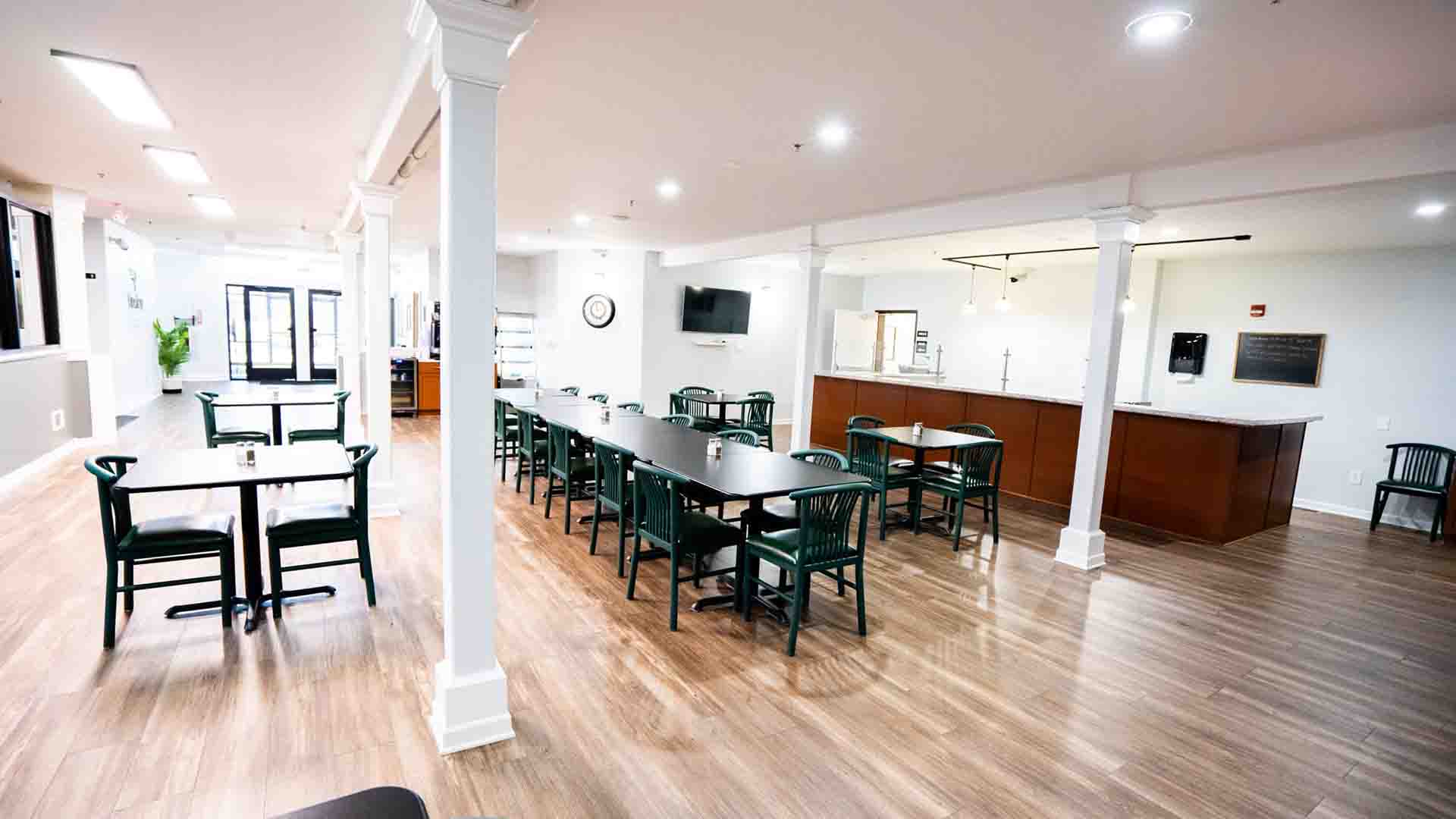
When it comes to overcoming addiction, choosing the right level of care is crucial. Detox and residential treatment are two essential components of the recovery process that serve different purposes. Understanding the distinctions between them can help individuals and their loved ones make informed decisions about addiction treatment at the Findlay Recovery Center in Ohio.
What is Detox?
Detox is the first step in overcoming drug or alcohol dependence. It involves clearing toxic substances from the body while managing withdrawal symptoms in a safe and controlled environment. Since withdrawal can be physically and emotionally challenging, drug and alcohol rehab facilities provide medical supervision to ensure comfort and safety.
The length of detox varies, typically lasting between 3-10 days, depending on the substance, frequency of use, and individual health factors. However, detox alone is not a cure for addiction. It is simply the first step in a comprehensive treatment plan.
Methods Used in Detox
The detox process varies based on the substance used and the severity of addiction. Some common methods include:
- Medically supervised detox – Where doctors and nurses monitor individuals, administering medication when necessary to ease withdrawal symptoms.
- Tapering off substances – Certain drugs such as opioids or benzodiazepines, require a gradual reduction instead of quitting cold turkey, to minimize risks.
- Holistic detox methods – Some rehab facilities in Ohio integrate nutrition, hydration therapy, and relaxation techniques to support overall well-being.
Who Benefits from Detox?
Detox is recommended for individuals experiencing physical dependence on substances, particularly those at risk for severe withdrawal symptoms. This includes people addicted to alcohol, opioids, benzodiazepines, and other drugs that cause significant physical withdrawal. Individuals have to undergo detox before admission to other addiction treatment programs.
What is Residential Treatment?
Residential treatment, also known as inpatient rehab, is a structured program where individuals live at a rehab facility while receiving intensive care. This level of treatment provides a safe, substance-free environment with round-the-clock medical and emotional support.
Residential programs vary in length, typically lasting 30 to 90 days or longer, depending on the individual’s needs. The longer the stay, the better the treatment outcome.
What Does Residential Treatment Involve:
A residential program typically includes:
- Individual and group therapy – These therapy sessions help address the root causes of addiction and develop coping strategies.
- Medical and psychiatric support – Many individuals with addiction also struggle with mental health disorders, making medical and psychiatric care essential.
- Life skills and relapse prevention training – Residential treatment prepares individuals for life after rehab by teaching practical skills and relapse prevention techniques.
- Holistic therapies – Some facilities may offer activities like yoga, meditation, adventure programs, art therapy, and fitness to promote overall healing.
Who Benefits from Residential Treatment?
Residential treatment is ideal for individuals who:
- Lack a stable, supportive home environment.
- Have completed detox and need structured support to maintain sobriety.
- Struggle with co-occurring mental health disorders.
- Have relapsed in the past and need intensive care to prevent future relapse.
The Key Differences Between Detox and Residential Treatment
While detox and residential treatment are both critical to recovery, they have several differences:
Detox focuses on managing withdrawal and physical stabilization, typically lasting 3-10 days. It takes place in a short-term medical setting under medical supervision to help manage withdrawal symptoms. Therapy and counseling during detox are minimal, with the primary focus on physical detox. After detox, individuals usually transition to a rehab program or outpatient care.
Residential treatment, on the other hand, emphasizes long-term recovery, therapy, and relapse prevention. It lasts anywhere from 30 to 90+ days and involves staying in a rehab facility. While medical supervision is still available, the focus shifts to mental, emotional, and behavioral support. Residential treatment includes intensive therapy, such as individual, group, and holistic care. Structured aftercare and relapse prevention strategies are also key components of this stage.
The Benefits of Detox and Residential Treatment
Both detox and residential treatment programs have their benefits.
Detox benefits include:
- A safe withdrawal process that reduces the risk of severe withdrawal symptoms and complications.
- Medical supervision where professionals monitor vitals and administer medications if needed.
- Laying the foundation for recovery by helping individuals eliminate harmful substances from the body.
Residential treatment, on the other hand, offers the following benefits:
- Comprehensive care that addresses both addiction and underlying mental health conditions.
- A structured environment that removes access to alcohol or drugs and negative influences.
- Therapeutic support which provides intensive counseling to help individuals develop coping strategies.
- Community and peer support which encourage connection with others who understand the recovery journey.
- Longer stays in residential treatment are linked to higher success rates and long-term sobriety.
Find Lasting Recovery in Ohio
Whether you need detox to begin your recovery journey or a residential treatment program for long-term healing, Findlay Recovery Center in Ohio offers both as part of our comprehensive treatment. Contact us today to receive the care you need to rebuild an addiction-free life!