
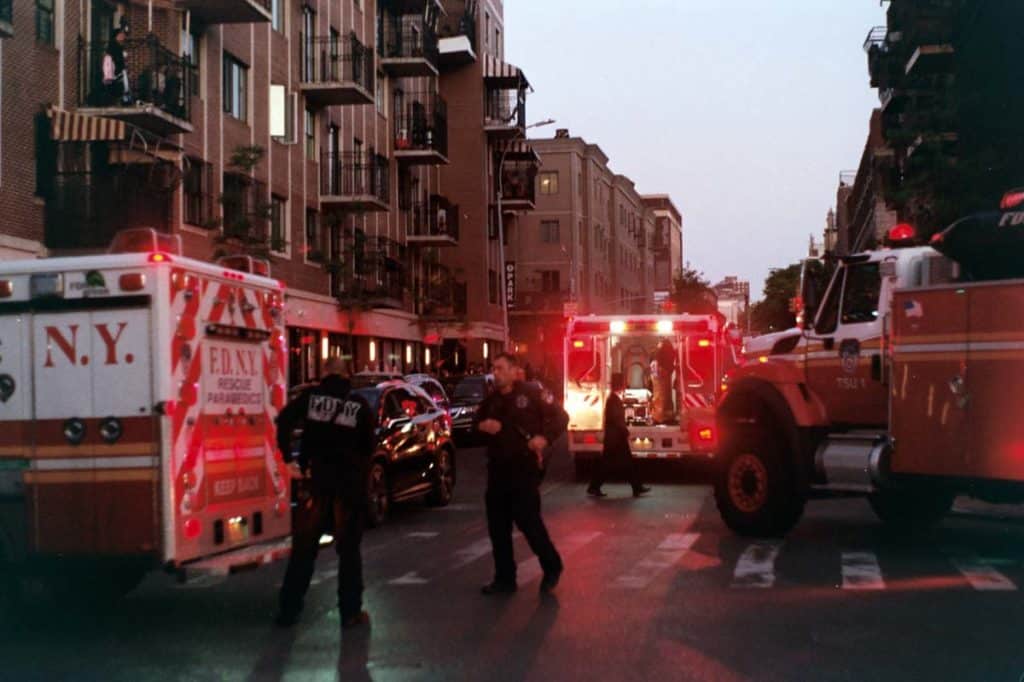
For most of us, first responders are heroic individuals who arrive at different dangerous situations to provide much-needed assistance and emergency services. They include police officers, firefighters, and emergency medical services e.g. paramedics and emergency dispatchers.
We seldom think of the psychological and physical strain that these jobs eventually put on a person. Too often, we forget that first responders are people too and they are vulnerable to trauma and stress due to their work.
The constant exposure to traumatic experiences including fighting fires, road accidents, violence and physical injury and suffering may be part of the daily job for first responders.
Unfortunately, it makes them vulnerable to extreme stress, mental health disorders, anxiety, depression, insomnia and even PTSD (post-traumatic stress disorder).To cope with the stress and trauma of their jobs, some first responders turn to alcohol.
Among first responders, alcohol isn’t only used as a coping mechanism. Many of them also unwind or bond over drinking after a hard day at work, seeking peer support from each other.
Yet others use it to mask the feeling of being unbalanced and isolated due to the nature of their job. For these reasons, alcohol consumption among first responders is often higher than among the rest of the general population. This often leads to alcohol use disorder and alcohol addiction.
Alcohol Use among First Responders
Alcohol addiction is defined as the continued use of alcohol despite experiencing negative consequences. With that definition in mind, let’s take a look at statistics on alcohol use and addiction among first responders.
According to the U.S. Firefighters Association, an estimated 29% of firefighters abuse alcohol. In one study this past month, binge or heavy drinking was reported by over half of male firefighters and 40% of female firefighters.
In another study, 35% of firefighters reported missing their shifts due to excessive alcohol use while only 25% perceived that alcohol was a problem in the department. Among volunteer firefighters, 70% reported past month alcohol use while 45% reported binge drinking.
Similar results were found among police officers. One study estimates that up to 7.8% of urban police officers met the criteria for alcohol abuse and dependence compared to only 5.8% of the general adult population in the U.S.
A study by the University of Arizona found that the longer individuals worked as police officers, the more the rates of alcohol abuse and addiction were likely to increase. In the study, rookies who joined the force reporting 0% alcohol abuse accumulated job stress over the years and after two years on the job, 27% of rookies went on to develop alcohol use disorder.
This increased to 36% after four years on the force. The same study found that drinking was a deeply ingrained part of police culture with 25% of police officers reporting that they drank to feel like part of the team.
The story isn’t any different among EMTs and paramedics with one study showing that 40% of them were at high risk of alcohol and drug use.
The numbers and rates differ depending on the study and the part of the country but all of them show that alcohol use, dependence, and addiction rates are high among first responders.
What Causes Alcohol Addiction among First Responders
As mentioned earlier, first responders are especially vulnerable to stress and trauma-related disorders most commonly acute stress disorder or PTSD. Individuals don’t have to be personally injured or threatened to develop these disorders.
They just have to have witnessed or lived through them. With acute stress disorder, individuals display symptoms for about 4 weeks after a traumatic event. Studies found that alcohol use increased approximately 8 days after such incidents and only returned to normal after another 8 months.
PTSD on the other hand is a chronic response to a traumatic event. The symptoms sometimes don’t show up until years after the events. In the case of first responders, traumatic events can have a cumulative effect for years before an individual shows any symptoms of PTSD. Research suggests that an estimated 30% of first responders have PTSD.
What’s worse is that PTSD puts one at high risk for alcohol addiction and having an addiction to alcohol puts one at risk for developing PTSD.
This calls for first responders to be given more education to help curb the high rates of alcohol addiction. Furthermore, easy access to alcohol addiction treatment programs is needed among first responders. For better outcomes and to avoid or minimize relapse, PTSD treatment should be carried out along with addiction treatment. The most effective form of treatment here would be cognitive behavioral therapy (CBT) used together with counseling and other types of therapy.
First responders are likely to benefit more from group therapy and social support groups where members of the group are also peers from first response professionals. This allows those in recovery to interact, draw strength and support and learn from peers who share the same experiences and understand what they’re going through. In some cases, it’s also helpful to incorporate forms of experiential therapy e.g. adventure therapy into their treatment plan to give them healthy ways to channel their energy as they recover.
Get Help Today
First responders are a crucial part of our society and these brave men and women put their lives on the line for us every day. They need help and support to overcome any trauma and addiction that they may develop as a result of their jobs.
We at Findlay Recovery Center in Ohio encourage any first responders struggling with trauma or addiction to reach out to us for help. The earlier this is done, the better the recovery outcome will be. We offer a variety of addiction treatment programs for both alcohol and drug addiction on an inpatient and outpatient basis. We also provide individualized treatment plans based on a person’s unique treatment and recovery goals. Contact us today and let us help you find lasting recovery from alcohol or drug addiction.