Deciding to enter residential rehab is a critical step in the recovery journey. For professionals juggling demanding careers and personal challenges, it’s essential to ensure you select a program aligned with your needs and circumstances. Asking the right questions upfront helps you make an informed choice and sets the foundation for a successful recovery. Here are ten key questions every professional should consider before committing to a residential rehab program.
What level of care does the program provide?
Not all rehab facilities offer the same level of care. Some may focus solely on detox services, while others provide comprehensive treatment plans that include therapy, aftercare, and ongoing support. Identify whether the program offers the depth of care and range of services you require. For professionals with high-stakes responsibilities, choosing a program that supports a long-term recovery plan is often crucial.
Is the facility experienced in treating professionals?
Professionals encounter unique stressors, such as work-related pressures, confidentiality concerns, and the stigma surrounding addiction in their industries. Seek a program that understands these dynamics and tailors its approach accordingly. Facilities with experience treating executives, business owners, or healthcare providers can address these nuances empathetically and effectively.
What therapies and treatment modalities are offered?
Recovery isn’t a one-size-fits-all process. A robust rehab program will offer a variety of evidence-based therapies, such as cognitive-behavioral therapy (CBT), dialectical behavior therapy (DBT), or trauma-focused care. Alternative methods, such as yoga or art therapy, may also enhance recovery. Understanding the range of therapies available ensures the program can adapt to your unique needs and preferences.
What is the staff-to-patient ratio?
Individualized attention can make a significant difference in the recovery process. A low staff-to-patient ratio ensures that you receive personalized care and adequate time with therapists and medical professionals. Ask about the qualifications of the staff as well, ensuring they are licensed and have specialized training in addiction treatment.
Can I maintain communication with work or family?
For professionals, the ability to stay connected with work or family during treatment may be a priority. While unplugging is often encouraged for better focus on recovery, some facilities provide monitored communication options. Discuss your needs with the rehab center to understand their policies on phone and email use.
What are the living arrangements like?
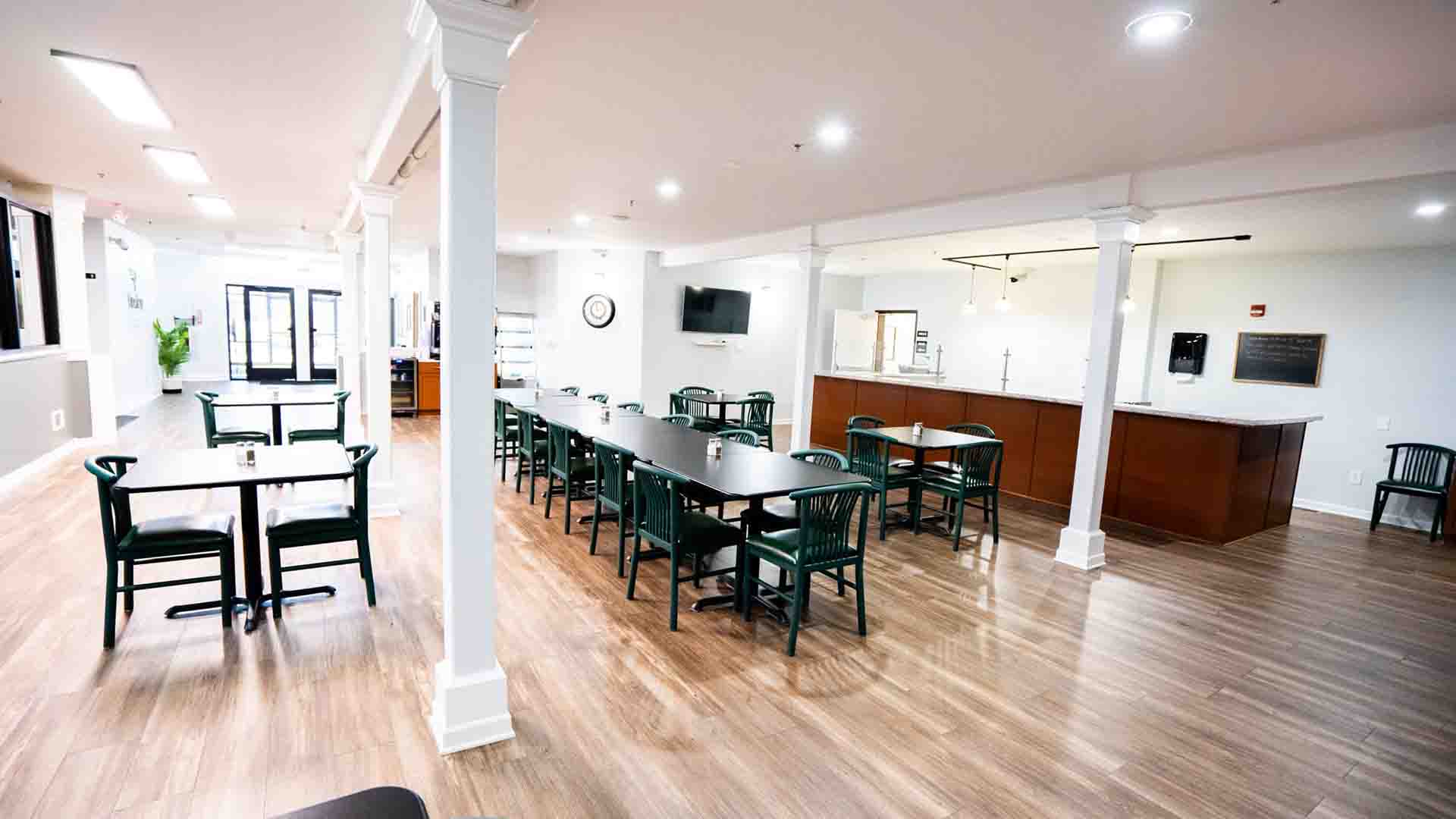
Comfortable accommodations can positively impact your mindset during your stay. Explore what the living arrangements include, such as private or shared rooms, on-site amenities, and communal areas. For many professionals, a peaceful and comfortable setting is vital for decompressing and focusing on recovery.
How is confidentiality maintained?
Confidentiality is particularly important for professionals concerned about the impact of rehab on their reputation or career. Ensure the facility adheres to strict privacy guidelines and complies with the Health Insurance Portability and Accountability Act (HIPAA) to safeguard your identity and personal records.
What aftercare and support services are available?
Recovery doesn’t end when you leave the facility. Aftercare is just as critical for ensuring long-term success. Ask about the facility’s approach to aftercare, whether it includes follow-up therapy sessions, peer support groups, or ongoing check-ins. Strong aftercare increases your chances of maintaining sobriety.
What is the program’s success rate?
While no program can guarantee outcomes, understanding a facility’s track record can provide reassurance. Ask about success rates and look for reviews or testimonials from past clients. Keep in mind that true success is often defined by long-term recovery, so reliable facilities will emphasize sustained progress instead of quick fixes.
What should I expect during the intake process?
Finally, ask about the first steps you’ll undergo when entering the program. A thorough intake process typically includes medical and psychological assessments to personalize your treatment plan. Knowing what’s coming can reduce anxiety and help you feel prepared for recovery.
Moving Forward with Confidence
Choosing the right residential rehab program involves asking the right questions and prioritizing your needs. Recovery is a significant commitment, and as a professional, you deserve a facility that recognizes and respects your unique circumstances.
If you’re ready to take the next step or need more guidance, reach out to Findlay Recovery Center. Their dedicated team can help address your questions and work with you to design a treatment plan tailored to your goals.