Deciding to seek residential addiction treatment is a profound act of courage and self-love. The idea of stepping away from your daily life to focus entirely on healing can feel daunting, and it is natural to have questions about what to expect. For many, the term “rehab” conjures images from movies, which often do not capture the reality of the experience. The truth is, residential treatment is a carefully designed sanctuary for healing.
It is a structured, supportive, and compassionate environment created to give you the time and space to address the root causes of addiction. By removing the triggers and stressors of the outside world, residential care allows you to immerse yourself in the process of recovery. It is a place to rebuild, learn new skills, and connect with others who understand your journey, all under the guidance of a dedicated professional team.
What is Residential Treatment?
Residential treatment, also known as inpatient care, is the most intensive level of addiction treatment. Individuals live at a specialized facility for a set period, typically ranging from 30 to 90 days or longer, depending on their unique needs. During this time, they are fully immersed in a therapeutic environment, free from the distractions and pressures of their everyday lives. This immersive model is designed to provide the stability and focus needed for deep, transformative healing.
The core principle of residential treatment is to provide a highly structured and supportive setting. Life inside a residential facility is not aimless; it is built around a carefully planned daily schedule. This structure helps restore a sense of order and purpose that is often lost during active addiction, creating a predictable and safe routine that supports recovery.
A Typical Day: The Power of Structure and Routine
While every program is different, a day in residential treatment generally follows a consistent schedule that balances therapy, personal reflection, and holistic wellness activities.
Morning: Setting the Tone for the Day
Mornings often begin early with a healthy breakfast and an opportunity for quiet reflection or mindfulness. This might include meditation, yoga, or journaling to help center the mind and set a positive intention for the day. Following this, clients typically attend their first group therapy session. These sessions provide a space to process challenges, share experiences, and learn from peers in a professionally facilitated setting.
Afternoon: Deepening the Therapeutic Work
After lunch, the afternoon is dedicated to more intensive therapeutic work. This is when individual therapy sessions usually take place, offering a private, one-on-one opportunity to work with a dedicated therapist. During these sessions, you can explore the underlying issues contributing to substance use, such as trauma, anxiety, or depression.
Afternoons may also include specialized group sessions focused on topics like relapse prevention, anger management, or communication skills. Educational workshops are another key component, teaching clients about the science of addiction, coping strategies, and life skills needed for long-term sobriety.
Evening: Reflection and Community
Evenings are typically a time for winding down and reinforcing the day’s lessons. This might involve another group session, participation in a 12-step meeting, or holistic activities designed to promote relaxation and well-being. Dinner is shared with the community, fostering a sense of connection and fellowship. The day usually concludes with time for personal reflection, reading, or journaling before bed, helping to solidify the day’s progress.
The Pillars of Residential Care: Support and Healing
The structure of residential treatment is built on a foundation of comprehensive care and unwavering support.
- 24/7 Medical and Clinical Support: One of the greatest benefits of residential care is the constant presence of medical and clinical staff. This ensures that any physical discomfort or emotional distress can be addressed immediately, providing a crucial safety net, especially in early recovery.
- A Focus on Healing Without Distractions: By stepping away from work, family, and social obligations, you give yourself the precious gift of time. This dedicated period allows you to focus all your energy on healing your mind, body, and spirit without the constant pull of outside stressors.
- A Community of Peers: Addiction can be an incredibly isolating experience. In residential treatment, you are surrounded by a community of peers who understand exactly what you are going through. This shared experience creates powerful bonds, reduces feelings of shame, and builds a built-in support system that fosters a sense of belonging and hope.
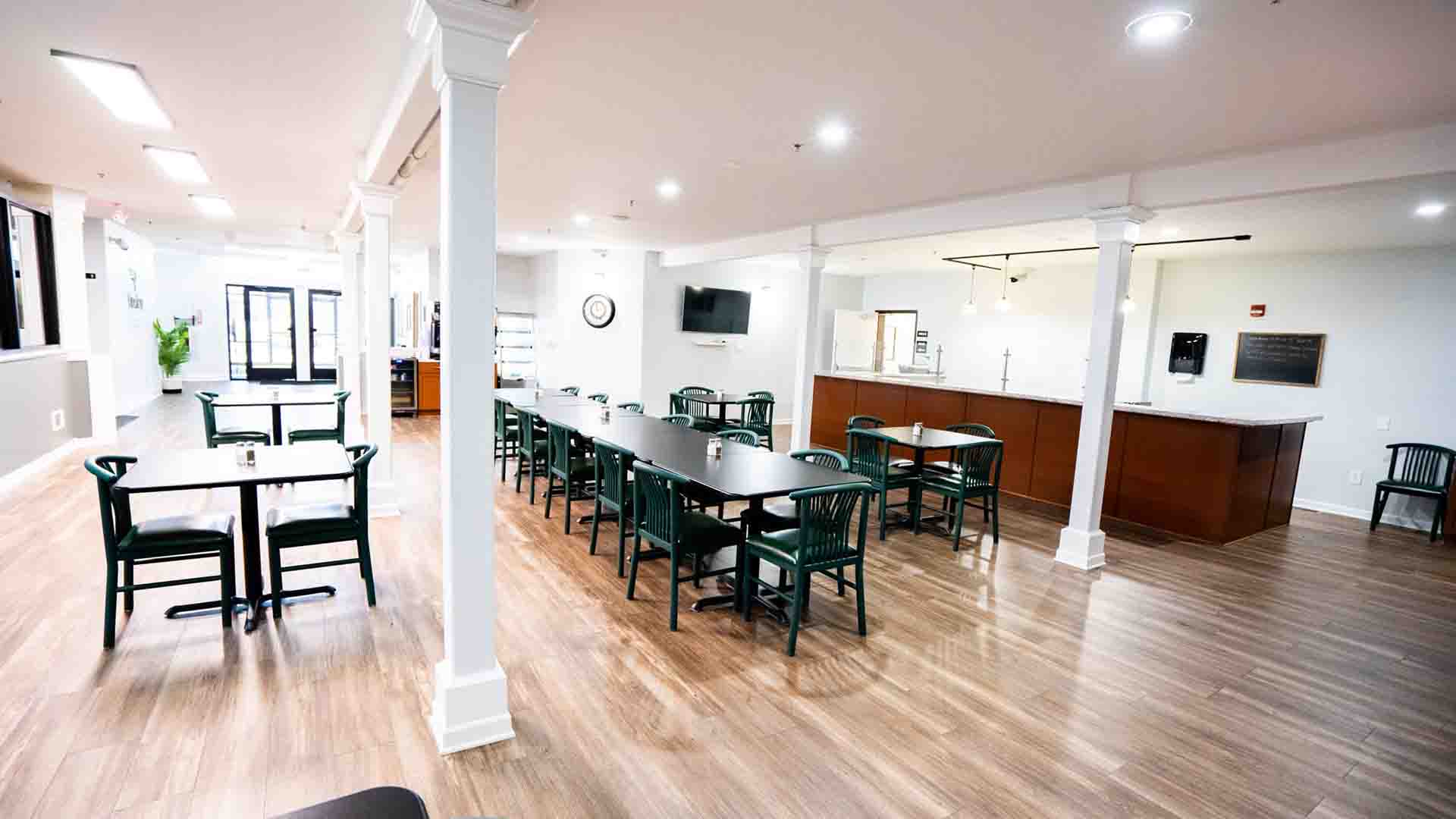
A Sanctuary for Healing at Findlay Recovery Center
At Findlay Recovery Center, we believe that residential treatment should be a place of safety, compassion, and profound healing. Our program is designed to be a nurturing sanctuary where you can rediscover yourself and build a strong foundation for a new life. We embrace a person-centered approach, tailoring every aspect of your care to your unique history, needs, and goals.
Our experienced team combines evidence-based therapies with holistic practices to treat the whole person. We provide the structure, expert guidance, and compassionate support needed to help you navigate the challenges of recovery and emerge with the resilience, skills, and confidence to thrive.
Find Your Space to Heal and Grow
Choosing residential treatment is an investment in your future. It is a commitment to giving yourself the best possible chance at a life free from addiction, a life filled with purpose, connection, and joy. You do not have to walk this path alone.
If you are ready to learn more about how residential treatment can help you or someone you love, we are here to answer your questions. Contact Findlay Recovery Center today to speak with one of our caring team members.