When you or someone you care about is struggling with substance use, navigating the search for the right treatment center can feel overwhelming. It’s a critical decision, as the choice you make today can shape the entire recovery journey ahead and significantly impact long-term outcomes.
Choosing a reputable drug and alcohol rehab center requires careful consideration of several important factors. This guide is designed to provide you with the information needed to select a treatment facility that offers the best chance for effective and lasting recovery.
Accreditation and Licensing Standards
The first step in evaluating any drug addiction treatment center is verifying their credentials. Accreditation and licensing are essential indicators of a facility’s commitment to high standards of care. Look for centers that are properly licensed by the state and hold national accreditation from respected organizations such as The Joint Commission or CARF (Commission on Accreditation of Rehabilitation Facilities).
These accreditations ensure the center meets strict quality benchmarks for patient care, treatment effectiveness, safety standards, and overall operational excellence. They demonstrate that the facility undergoes regular inspections and audits to maintain compliance with regulatory and professional expectations. A licensed, accredited facility ensures you or your loved one will receive care that prioritizes safety and outcomes.
Treatment Approach and Program Options
No two people experience addiction in exactly the same way, and recovery is not one-size-fits-all. A quality alcohol and drug rehab center should offer a variety of evidence-based treatment approaches that address both the physical and psychological aspects of addiction. Comprehensive care should be at the heart of every program.
Look for facilities that provide:
- Medical detoxification services with 24/7 supervision: Detox is often the first step in recovery. Having medical professionals monitor and manage withdrawal symptoms is crucial for safety and comfort.
- Individual and group therapy sessions: Therapy builds self-awareness, coping skills, and emotional support through both one-on-one and group settings.
- Family counseling programs: Addiction affects families, not just individuals. Programs that include family therapy help repair relationships and teach loved ones how to support recovery effectively.
- Mental health support for co-occurring disorders: Many individuals struggle with both addiction and mental health issues. Dual-diagnosis support ensures that underlying psychological conditions are treated alongside substance use.
- Aftercare planning and alumni programs: Recovery doesn’t end after completing treatment. Look for a center that helps you create a long-term plan for sustained sobriety and offers resources like peer support groups or alumni events.
Facilities that customize treatment plans based on individual needs rather than employing a generic approach can help address the unique challenges and goals of every participant.
Staff Qualifications and Experience
The expertise of the treatment team plays a critical role in recovery success. Reputable rehab centers employ a multidisciplinary team of licensed professionals, including addiction counselors, psychiatrists, medical doctors, nursing staff, and therapists who specialize in treating substance use disorders.
Ask about the staff’s credentials, training, and specific experience working with individuals facing similar challenges. It’s also important to find a team that includes peer support specialists—individuals who have personal experience with addiction and recovery. Their lived experience often brings a unique perspective and relatable support to the treatment process.
Facility Environment and Amenities
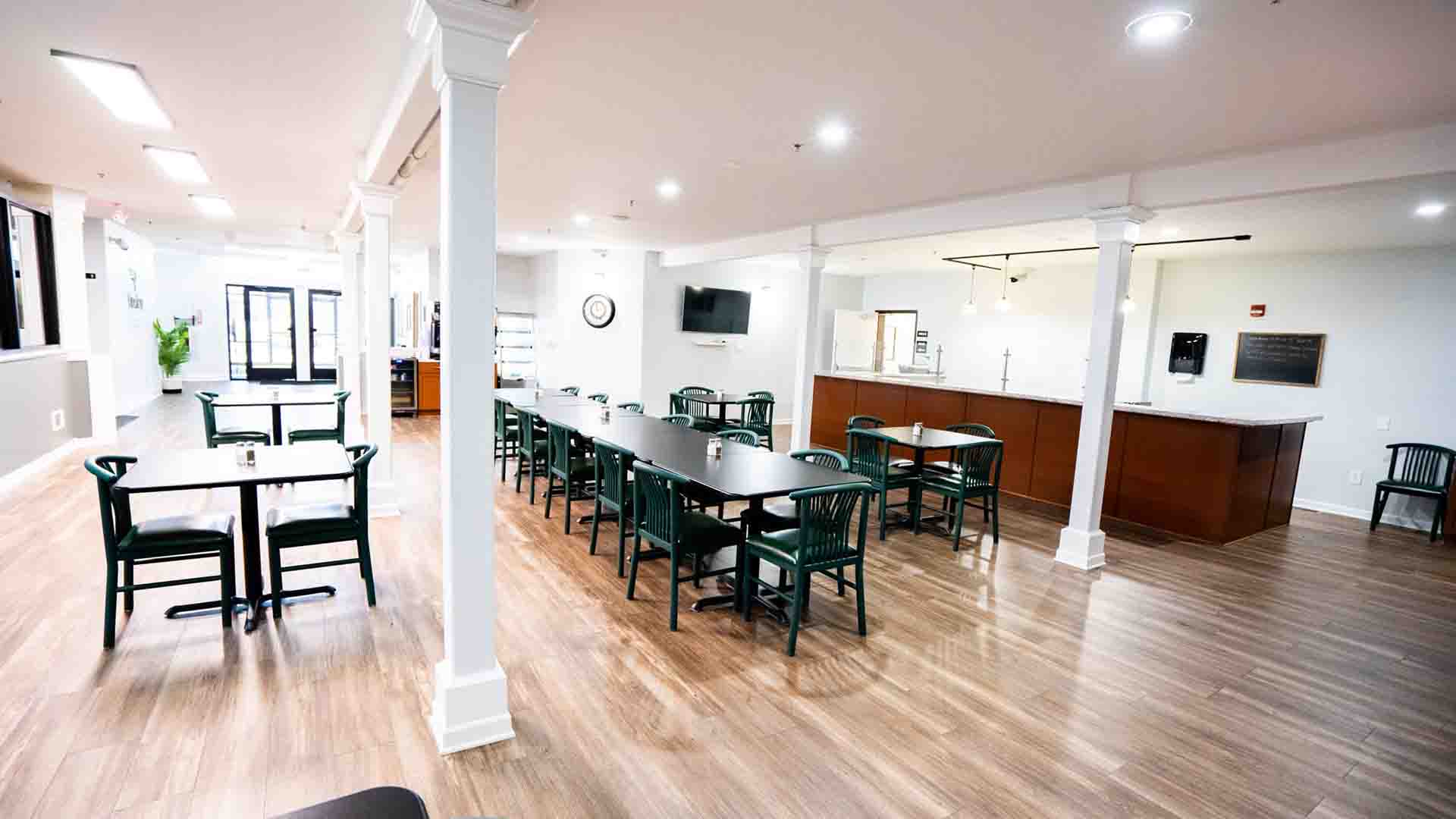
The physical environment of a treatment center can significantly impact the healing process. When visiting or researching potential facilities, pay attention to whether the facility feels safe, clean, and welcoming. A comfortable, well-maintained space fosters a sense of security and focus during recovery.
While luxury amenities such as private rooms, fitness centers, or spa-like features may enhance comfort, they shouldn’t overshadow the importance of high-quality clinical programming. The primary focus should always remain on effective treatment and long-term results.
Insurance Coverage and Financial Options
The cost of addiction treatment can vary widely between facilities, and affordability is a major consideration for many families. Contact your insurance provider to understand which treatment services are covered under your plan and to what extent. Many reputable rehab centers offer free insurance verification services that can help you assess your coverage and out-of-pocket costs.
If insurance doesn’t cover your entire treatment, ask the facility about payment plans, financial assistance, or scholarship opportunities. A compassionate center will work with you to make treatment accessible.
Take the Next Step Toward Recovery
Recovery is not just possible—it’s achievable with the right support system and treatment approach. The compassionate team at Findlay Recovery Center is here to help you or your loved one begin this important journey toward healing.
If you’re ready to take the first step, don’t hesitate to reach out. Contact Findlay Recovery Center today to speak with a treatment coordinator. They can answer your questions, guide you through your options, and help you determine the best path forward.
Your path to recovery starts with a single phone call. Take that step today—your future self will thank you.