If you are finally ready to take control of the demons and tackle your drug addiction head-on, the kids are your main incentive for wanting to do it. However, the thought of not seeing them for an extended period is one of the scariest parts of considering a drug rehabilitation stay.
After all, your stay in a residential drug rehabilitation center could last for months. So, will you be able to see your loved ones while you’re on the road to recovery? Here’s what you need to know.
Seeing Your Kids And Loved Ones During The Detox Period At A Drug Rehab Facility
When starting your time in a drug or alcohol rehabilitation and recovery center, the process starts with a very difficult detox period. This is where withdrawal symptoms will be at their worst, causing physical and mental side effects. Even with a team of dedicated specialists on your side, it will be necessary to dedicate yourself fully to the procedures. This means avoiding all distractions, including your family.
The isolation will usually be broken into various phases. In most cases, the plan will follow a schedule that looks like:
- An opening 2-3 day period without any outside contact, including phone calls.
- After this, phone calls can be introduced.
- Following the completion of the initial phases, usually at 2-3 weeks, arranged visits are allowed.
The reality of the situation is that breaking away from the stresses of modern life is essential as you aim to place your full attention on the treatment. Reduced family time is, sadly, a significant part of that process.
Seeing Your Kids And Loved Ones During Long-Term Rehab
Many patients only spend between 30 and 90 days in rehab before resuming their life with the continued support of the Findlay Recover Center in the form of ongoing therapy and sessions. In these cases, a few weeks of separation will open the door to a far happier future.
When undergoing long-term rehabilitation for drug abuse, you could spend up to two years as an inpatient. The time spent with your kids will be limited throughout the process, but you will still get to enjoy face-to-face interactions as well as telephone and mail contact.
Crucially, experts at Children’s Services will often use the rehab procedure as an opportunity to reintroduce kids to parents that have lost parental rights as a result of their addiction. While they might start out as short meetings, they can increase in time and frequency with the end goal of reuniting the family permanently once you have successfully completed the treatment.
Staying Motivated Throughout Your Journey
Drug rehabilitation isn’t easy. From managing withdrawal symptoms to adapting to a new way of life, there will be plenty of struggles. Not seeing the kids is unquestionably the hardest part of all. However, they are your motivation too. Overcoming the addiction will make you a better parent who can provide their children with everything they could need.
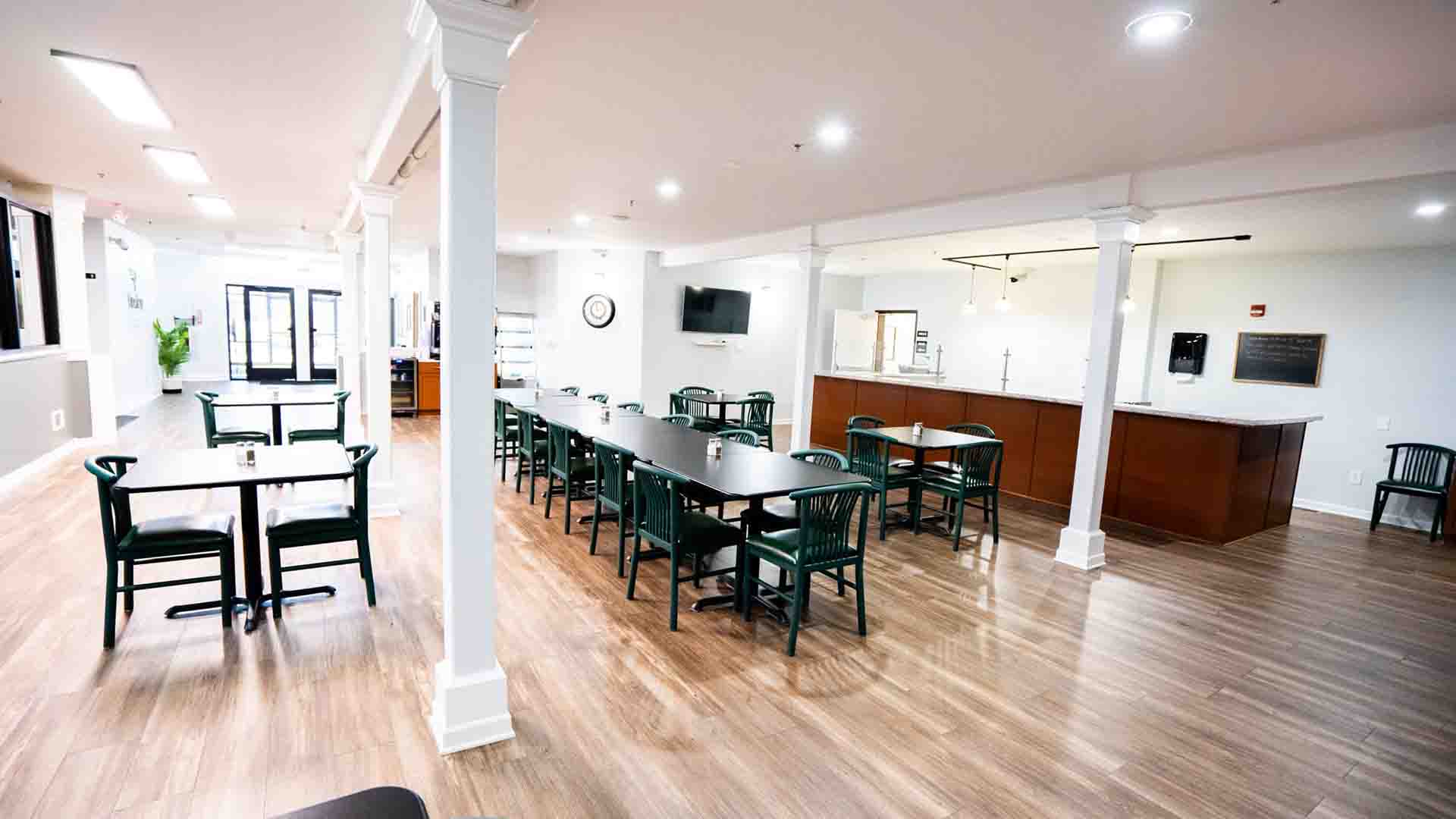
The prospect of a better family life should be the incentive needed to get through the hardest times. In the meantime, you must focus on maximizing the enjoyment during those scheduled meetings. Staying at a rehabilitation center with entertainment rooms will allow you to do this while you must also reassure them that they aren’t at fault. Making plans for when you get out will also provide benefits for both of you.
To find out more about seeing your kid during rehab, or the process as a call, contact the Findlay Recovery Center team today. We’re here to help.